Some coins are treasured for their rarity, others for the important occasions they celebrate, and many for the nostalgia they inspire. If you are just beginning your collection, looking to fill gaps, or simply curious to learn more about coins with fascinating stories behind them, read on.
Royalty
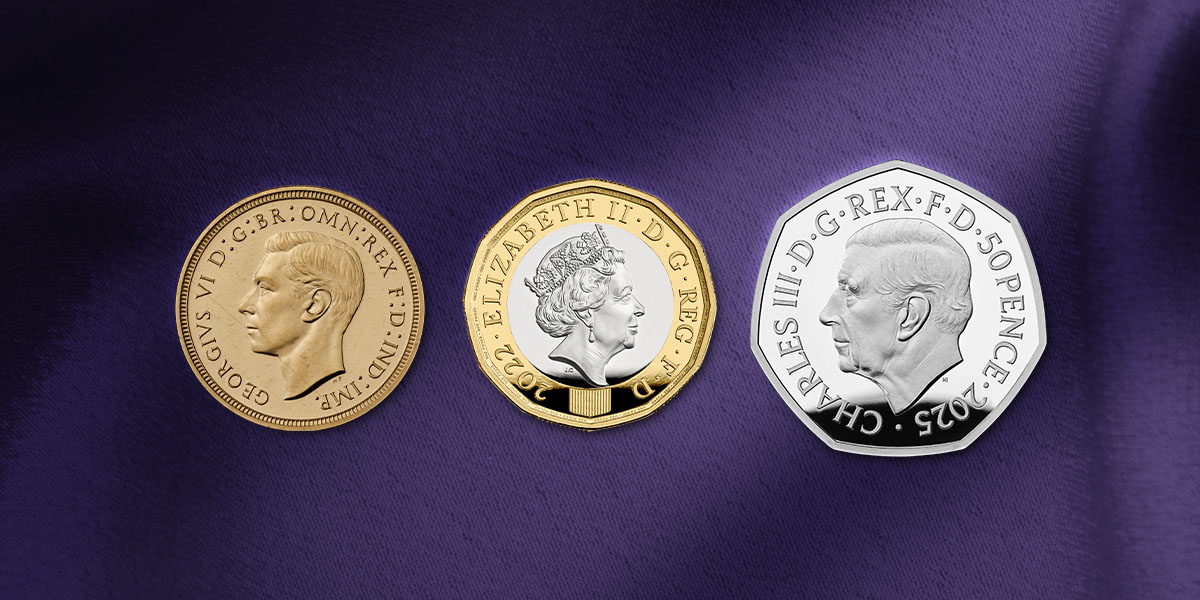
You can trace the story of the British monarchy through the coinage portraits that appear on the obverse of coins, from Alfred the Great to King Charles III. Each new reign brings a new portrait, marking both a moment of change and a continuation of a centuries-old tradition. These portraits reflect not only the monarch but also the era in which they were created, capturing the evolution of British history through design.
Some coins commemorate defining royal moments, such as the coronation of a new monarch, while others honour a remarkable reign, including the memorial coinage issued following the death of Queen Elizabeth II. Coinage can even reveal chapters of history that never fully unfolded. The coins prepared for Edward VIII, who abdicated before any were released into circulation, remain a fascinating reminder of one of the most dramatic moments in royal history. Discover more stories about royal coins.
Nostalgia
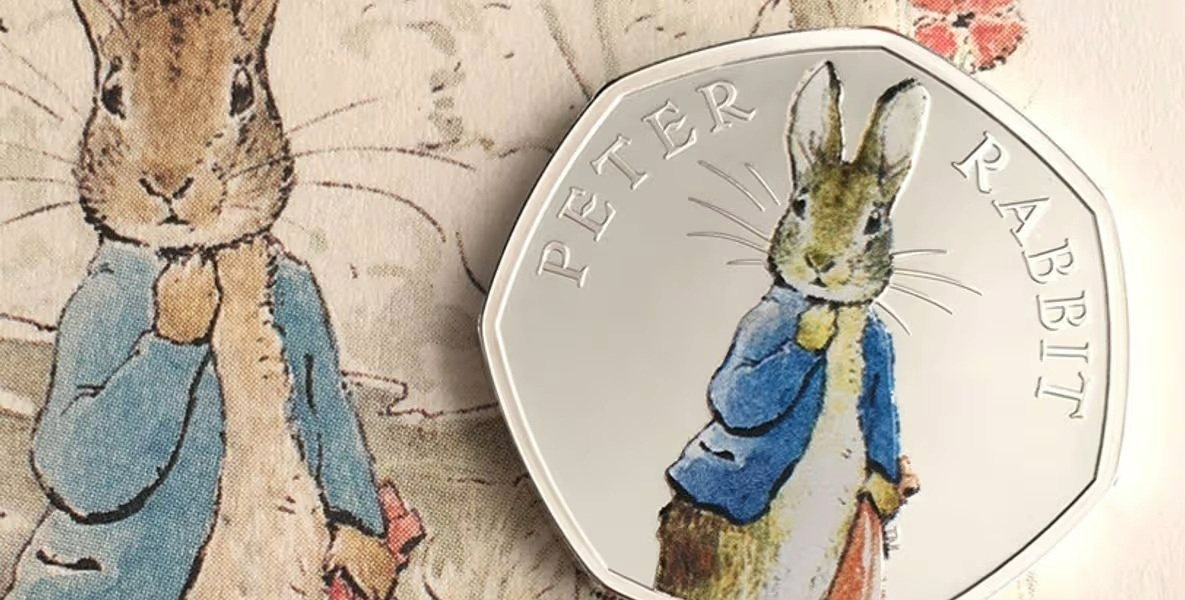
Coins can also capture moments of nostalgia, celebrating characters and cultural icons that have become part of everyday life. Childhood favourites such as Winnie the Pooh, Peter Rabbit and Harry Potter have all been brought to life on coins, delighting collectors of all ages. Others celebrate defining moments in sporting history, including the London 2012 Olympic Games 50p series, while some honour British music legends, such as David Bowie, Queen and The Spice Girls. Together, these coins celebrate the stories, achievements and memories that continue to shape British culture.
Rarity
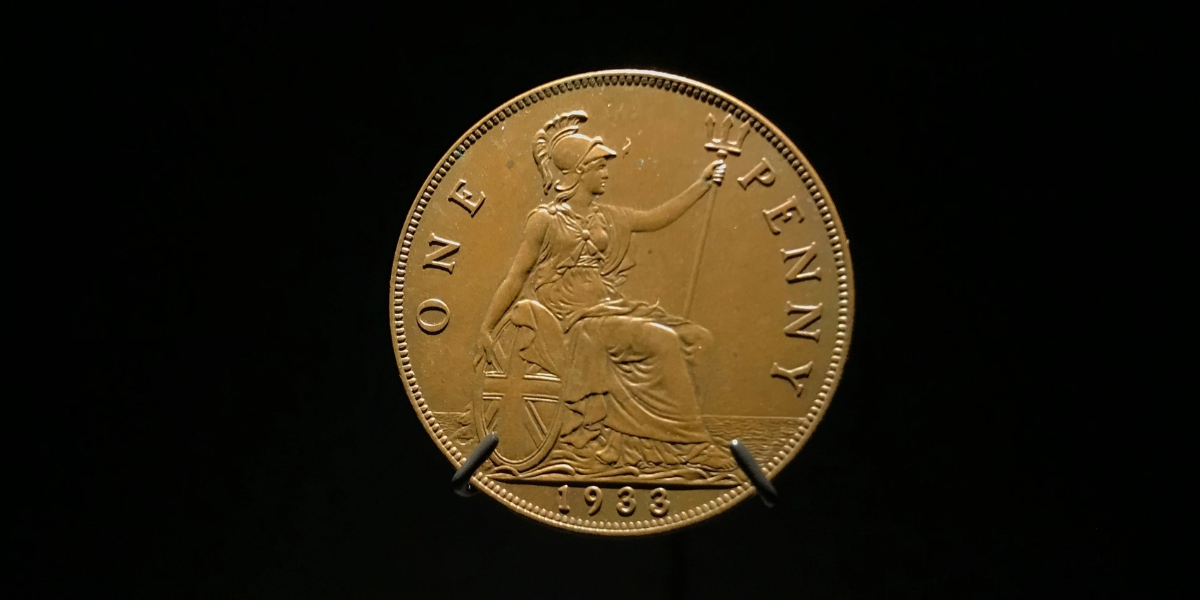
Some coins tell their stories through rarity. One of the most famous examples is the 1933 penny. Records show that only 6 were struck - three placed below the foundation stones of buildings and three allocated to national collections. However, records also suggest that one more may have been struck, and could have entered circulation!
In modern coinage, the Atlantic salmon 50p, issued during the reign of King Charles III, celebrates the importance of protecting the natural world. With the lowest mintage of any circulating 50p, it is now the rarest of its kind, surpassing the 2009 Kew Gardens 50p, which marks the 250th anniversary of the Royal Botanic Gardens and remains one of the most sought-after coins in circulation. Both coins show how coin designs can capture meaningful moments in Britain’s story. Discover more rare coins here.
The Gold Sovereign
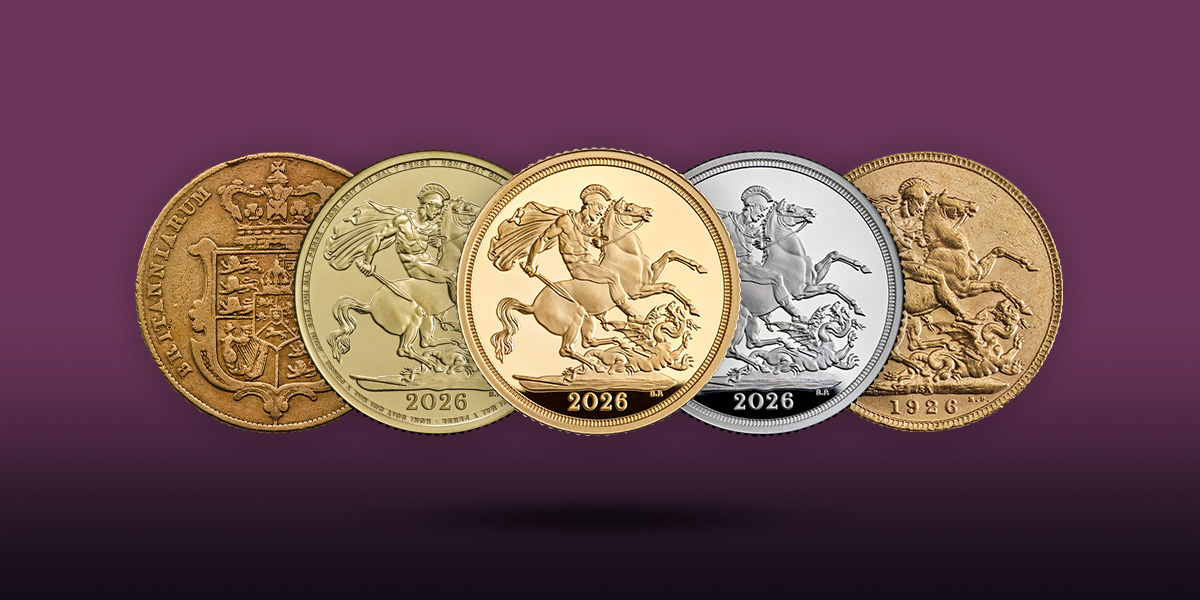
Since its creation in 1489, The Sovereign has been struck for kings and queens of England and later the United Kingdom. In 1817, Italian engraver Benedetto Pistrucci was commissioned to design the reverse of the modern sovereign. Working with the Master of the Mint, William Wellesley Pole, he created the now famous St George and the Dragon design. This striking image has since become synonymous with The Sovereign, appearing on coins struck for every monarch since the reign of Queen Victoria. Only occasionally has the design been replaced, usually to mark significant royal occasions. One example is the 2022 Golden Jubilee sovereign, whose design revived the historic shield style used on earlier sovereigns. More recently, the 2025 sovereign featured a modern interpretation of the traditional St George and the Dragon design by Timothy Noad. Each design reflects a different chapter in the long and fascinating story of The Sovereign.
Decimalisation
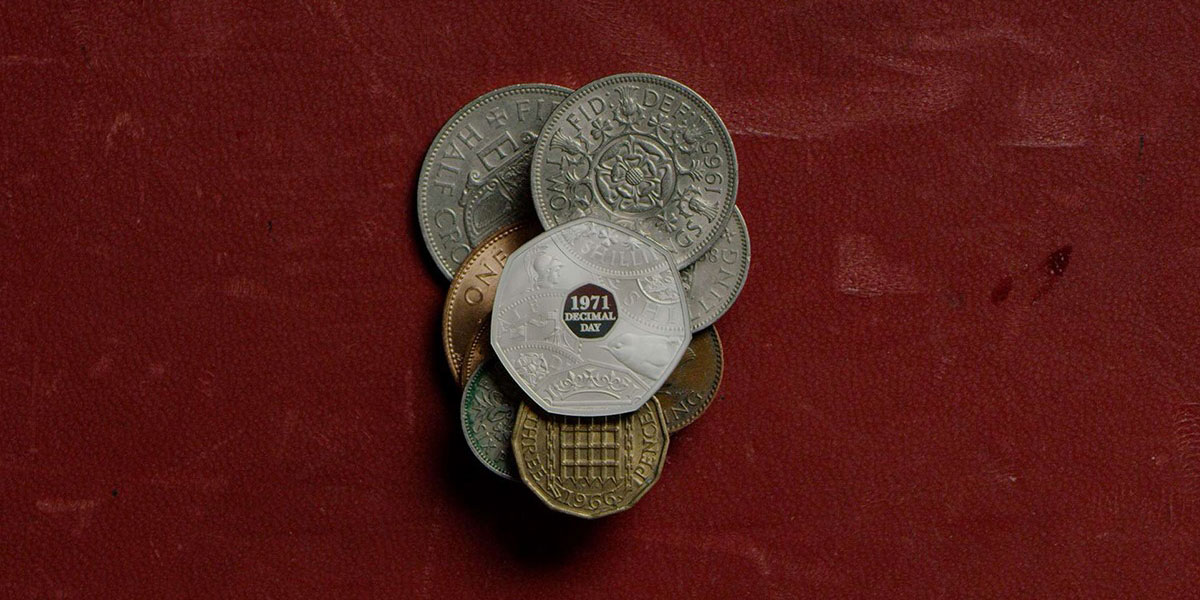
Decimalisation marked the biggest change to the nation’s coinage in modern history. The United Kingdom moved away from the centuries-old system of pounds, shillings and pence and adopted a new decimal currency that simplified everyday transactions. The change officially took place on 15 February 1971, a day that became known as Decimal Day.
In preparation for the transition, several of the new coins, including the 5p and 10p, were introduced into circulation as early as 1968 to help the public become familiar with the new system as they were the identical dimensions, metal composition and value of the existing one-shilling and two-shilling coins. Do you have any of the first decimal coins in your collection?
