For thousands of years, gold has been prized and deeply desired by civilisations. Since at least 3600 BC, the precious metal has been greatly coveted for its beauty and lustre, influencing economies, religion and social status. Its desirability is underpinned by its inescapable allure, its lustrous yellow hue and its finite nature.
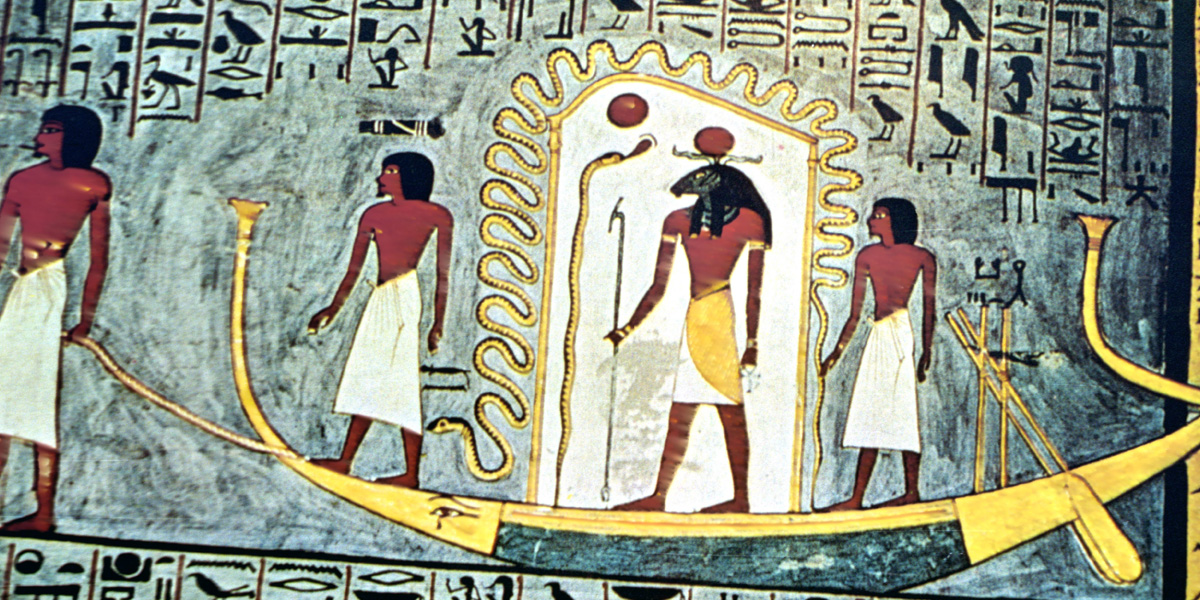
In ancient Egypt, gold was central to the culture, economy and spirituality. Despite being a rare element, the precious metal was ‘more plentiful than dirt’ according to hieroglyphs that date to 2600 BC.
Due to its colour, gold was closely associated with the sun god Ra, and the ancient Egyptians referred to the precious metal as the flesh of the gods; silver, on the other hand, was considered the bones of the gods.
The first gold jewellery was seen in ancient Egypt and gold was also a symbol of social status, prized by the pharaohs and other members of the nobility. A famous example includes the burial mask created for Tutankhamun, which is not only esteemed for its ornate beauty but also carries spiritual importance to protect the pharaoh in the afterlife.
The First Gold Coins
Gold and silver coins originated in Lydia, an ancient land located in western Anatolia that is now modern-day Turkey. In 600 BC, the region struck the first gold coins using a crude mix of gold and silver.
The Lydians learned how to refine these metals to create the world’s first bimetallic coinage: gold and silver. Called ‘Croeseids’, after the king, Croesus, the coins were traded with confidence and became an accepted form of currency because of their consistent gold content.
The ensuing centuries saw the Persians adopt gold as the main metal for their coins in 546 BC, the circulation of the Ying Yuan, a gold square coin introduced to the ancient Chinese state of Chu in AD 550, and the establishment of the gold standard in the United Kingdom in 1717 that linked currency to gold at a fixed rate.
The Gold Sovereign
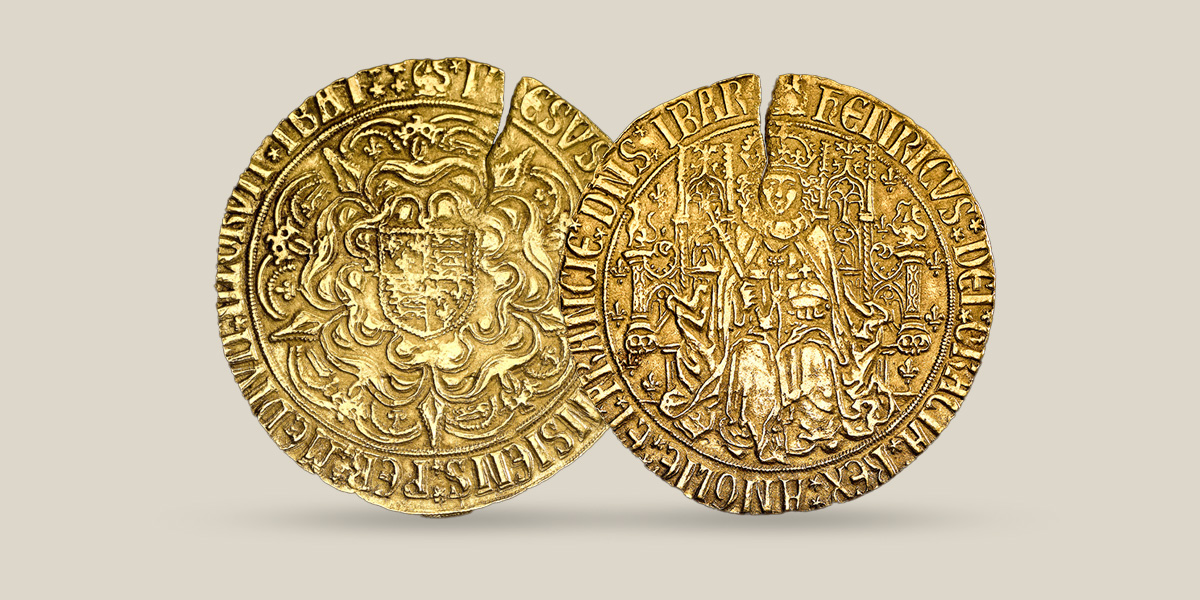
Gold’s use in currency extended beyond mere monetary worth. The introduction of the sovereign in 1489 serves as a prime example of how the beautiful and alluring precious metal reinforced the coin’s status as a symbol of wealth and regal power.
Produced at the behest of Henry VII following his demand for a ‘new money of gold’, the Tudor sovereign was a large and impressive coin intended as a symbol of the prestige of a new dynasty. Struck with the image of the monarch in all his majesty, the coin was named after the king and continued to be struck during the reign of each succeeding monarch until the reign of James I. In 1817, the coin was revived as the modern Sovereign we are familiar with today.
Gold in Popular Culture
Since the discovery of gold, it has featured prominently in literature and the arts. In Greek mythology, Jason and the Argonauts undertook a quest to find a magical golden fleece to restore Jason’s rightful claim to kingship.
More recently, the precious metal has played a central role in the world of cinema, appearing in the Indiana Jones films that see the central character embarking on several mortal expeditions to retrieve ancient gold artefacts and treasures.
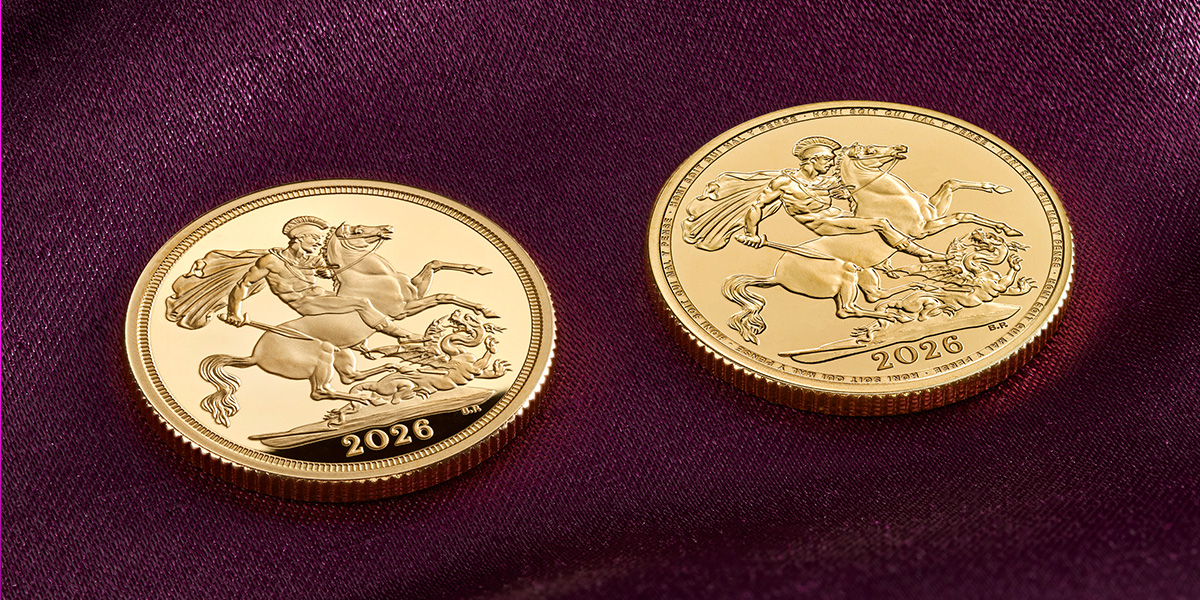
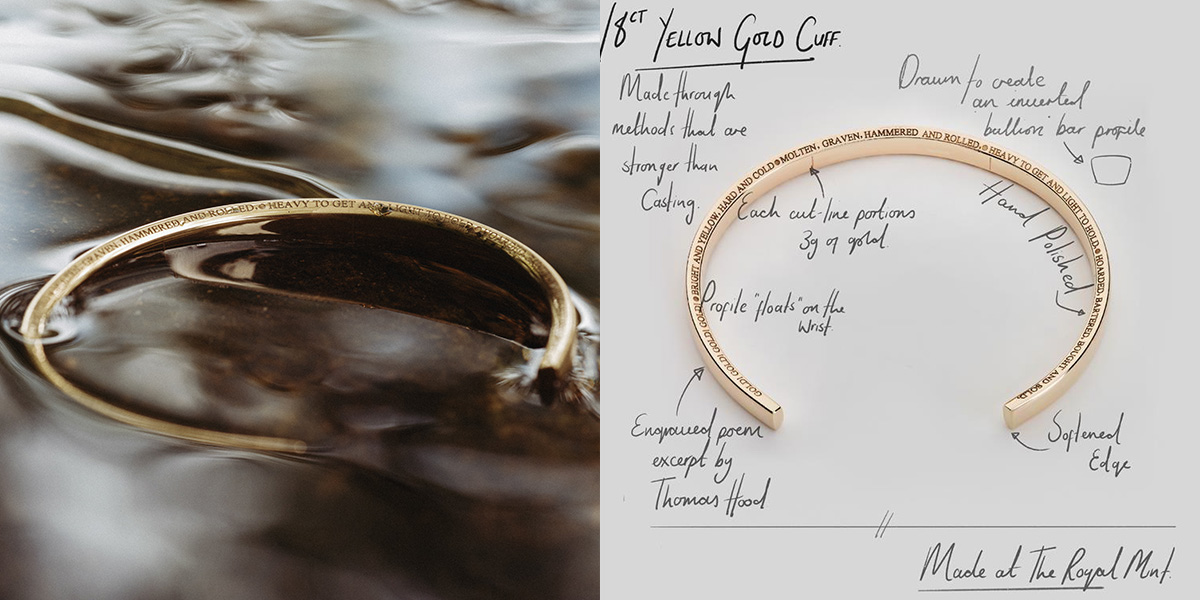
Throughout time, the precious metal has also featured in the works of poets, from Homer to JRR Tolkien. Lines from a piece by Thomas Hood, a nineteenth-century poet, have even been inscribed into gold cuffs by 886 from The Royal Mint. The Sovereign, The Royal Mint’s flagship coin, also features in the 886 jewellery range as a Sovereign Spinner necklace. For 2026, this will feature a yellow gold Sovereign, in keeping with the traditional Sovereigns introduced to the coinage in 1817.
As a spoken word form, poetry has profoundly influenced hip hop, a genre that sees rappers wearing gold as ostentatious displays of wealth and success, which often embody their personal ‘rags to riches’ stories.
Why Yellow Gold Endures
Gold, in its purest form, retains the colour to which it lends its name and is therefore imbued with natural beauty. It’s an obvious factor as to why earlier civilisations coveted the metal upon discovery and why it remains culturally ingrained as an alluring alloy in the modern day.
In addition to its distinctive colour, gold is renowned for both its durability and malleability, lending itself to beautiful artistry. Compared to white gold or platinum, yellow gold exudes a sense of warmth and tradition that makes it a popular choice for crafting items such as wedding bands, bracelets and necklaces.
Throughout history, only around 216,000 tonnes of the metal have been mined, which significantly enhances its value and appeal, and this finite supply of yellow gold makes it as rare as it is beautiful.
A Stunning Return to Yellow Gold for The Sovereign
In recent years, both Proof and Bullion editions of The Sovereign have been defined by their rose gold tone due to the coin’s significant copper content, which is alloyed with pure gold. For 2026, The Sovereign Collection represents a stunning return to the traditional yellow gold in which the ‘chief coin of the world’ was struck for centuries.