Remembering Elizabeth II
As we mark 100 years since the birth of Elizabeth II, here is a short piece about the monarch’s life and legacy from historian, author and broadcaster Professor Kate Williams.
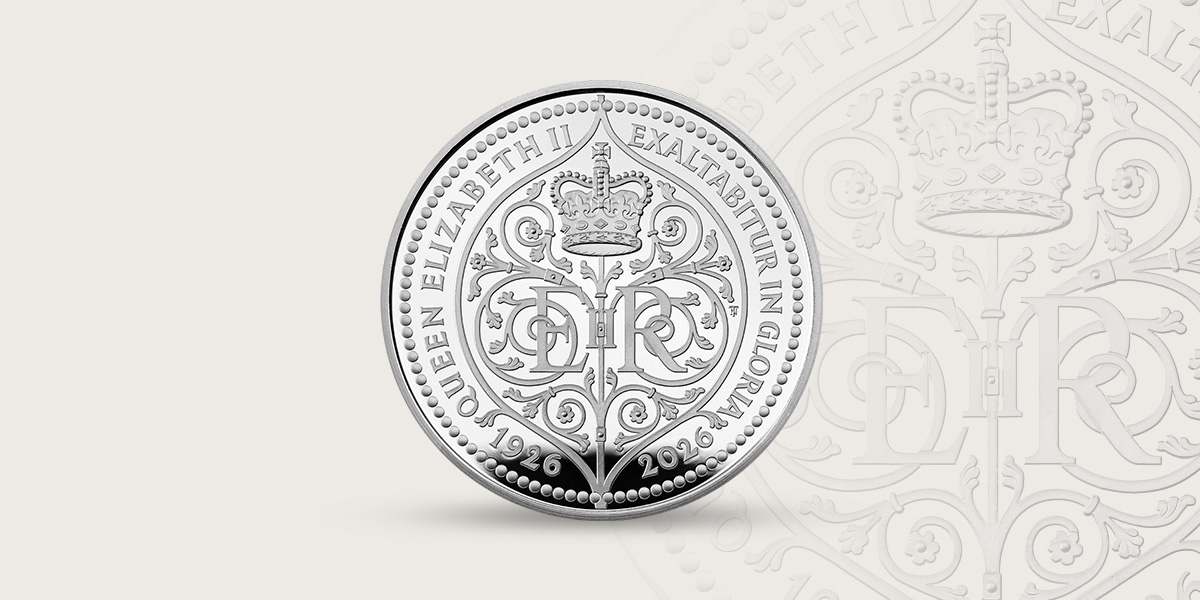
“I declare before you all that my whole life whether it be long or short shall be devoted to your service”, said the future Elizabeth II on her 21st birthday in 1947. Her final significant message to the nation, delivered during her Platinum Jubilee address in May 2022, was to restate that she was ‘your servant’.
The longest-reigning monarch in our history and very nearly the longest-reigning monarch in the world, Elizabeth II was respected and admired across the globe, an icon of service and leadership – yet she was the little girl who was never meant to be queen.
Elizabeth, born on 21 April 1926, came into the world only eight years after the devastating horrors of the First World War, in the age of the 1920s, with penicillin yet to be discovered and not all women in possession of the vote.
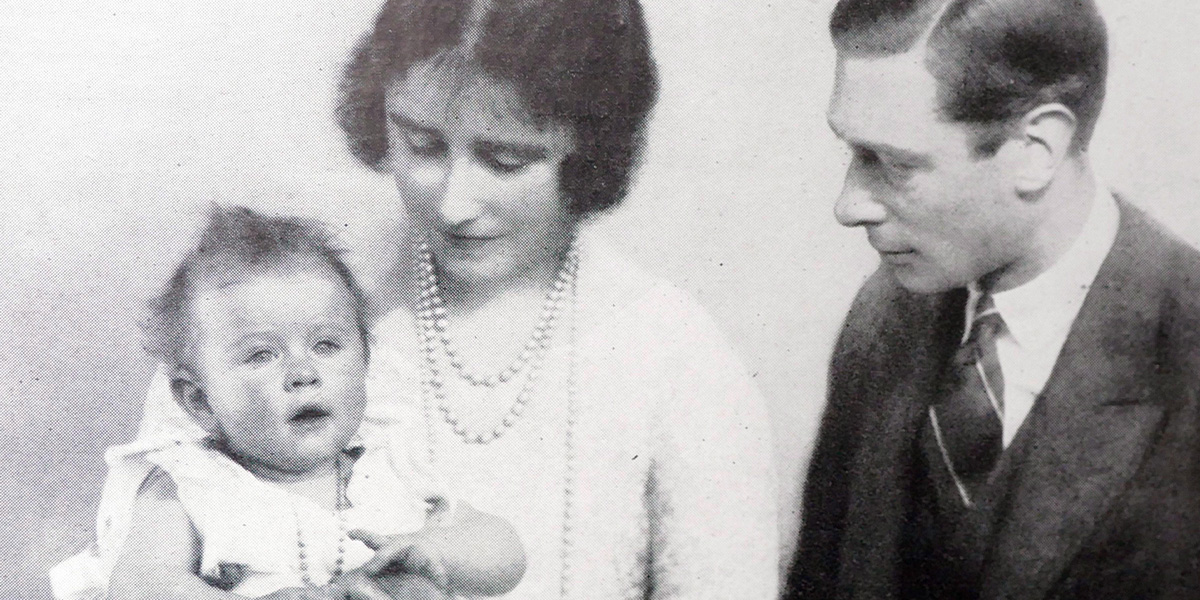
When she was 10 years old, on 10 December 1936, Edward VIII abdicated, her father acceded to the throne as George VI – and she became heir. She met the news with customary calm, writing ‘Abdication Day’ on the notes that she was already writing. The Second World War broke out when she was 13 years old. She later trained to be an ambulance driver on the front line and always remembered the ‘tides of happiness and relief’ of Victory in Europe (VE) Day and the sacrifices of the wartime generation.
In 1947, Princess Elizabeth wed Prince Philip after corresponding through the war. Winston Churchill declared the wedding should be a ‘splash of colour on the hard road we have to travel’. She became a mother of four, and later a grandmother of eight and great-grandmother of 12. Always committed to family, she described her husband as ‘my strength and stay’.
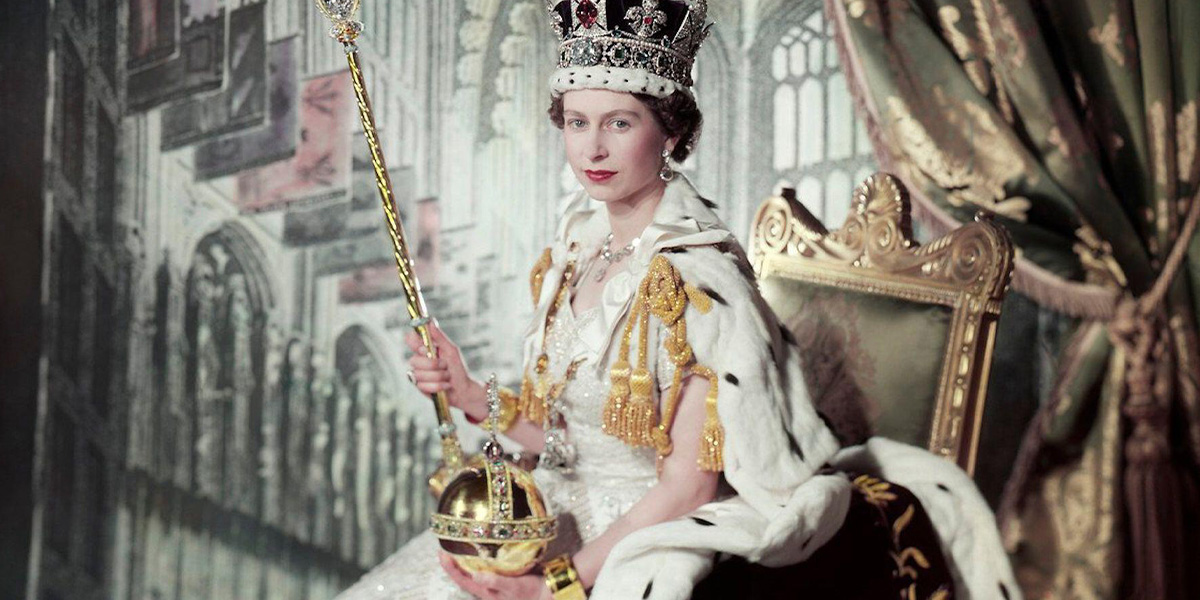
Elizabeth II’s coronation in 1953 was met with an outpouring of delight, ‘The Coronation was like a phoenix-time,’ said Princess Margaret. The queen was totally committed. ‘Throughout all my life and with all my heart, I shall strive to be worthy of your trust,’ she said.
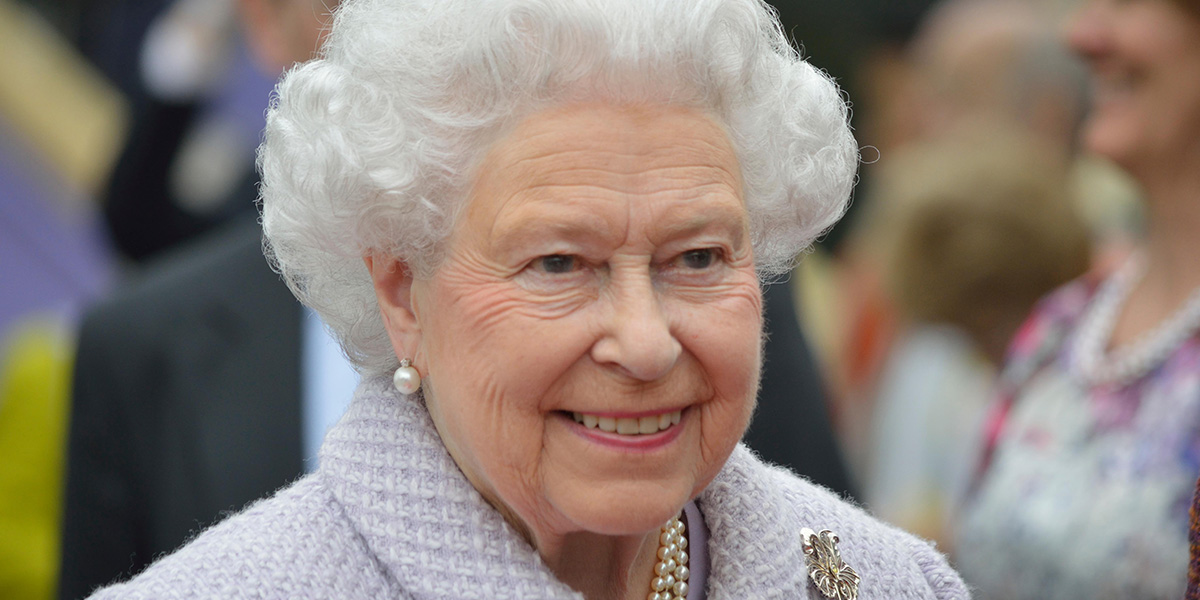
The monarch’s life saw incredible change, from the shock of the Second World War to the post-war world of the National Health Service (NHS), from the advent of the home computer to the internet. She became history’s most-travelled monarch, circling the world over 40 times, and became the first to have their coronation televised.
She adopted television as a way of communicating with her people, from celebratory moments to the difficult days of Covid-19, when she reminded us that ‘better days will return’ and ‘we will meet again’.
Elizabeth II saw her greatest duty as advocating for peace between nations. She presided over the last countries transitioning to independence from the British Empire and saw her legacy was the Commonwealth and its bonds of friendship between countries. She was a great diplomatic force for mutual understanding and negotiation. As she put it, the ‘reward is peace on earth … but we cannot win it without determination and concerted effort.’
When Elizabeth II died in 2022, the world had changed beyond measure, but she had been constant: reflective, devoted and committed to service.
