While crown coins are most often associated with royal occasions such as coronations, jubilees and weddings, they are not exclusively royal. They have also been used to mark major national events, notable figures and moments in British culture, from the 1951 Festival of Britain crown to contemporary collectables such as The Great British Treasure Hunt , our Music Legends Collection and the coin celebrating the crown's 500th anniversary. Along the way, the coin has undergone several changes in denomination, as explained below.
From the Original Crown Coin to Decimalisation and Beyond
The original silver crown introduced in 1551 had a face value of five shillings. In 1971, decimalisation marked a major change to British coinage, replacing the traditional system of pounds, shillings and pence with a decimal system based on 100 new pence to the pound. As part of this transition, new coin denominations were introduced, and the crown was redenominated with a value of 25p. In the 1990s, the crown coin’s value changed once again to reflect inflation, resulting in its current face value of £5.
Size and Design
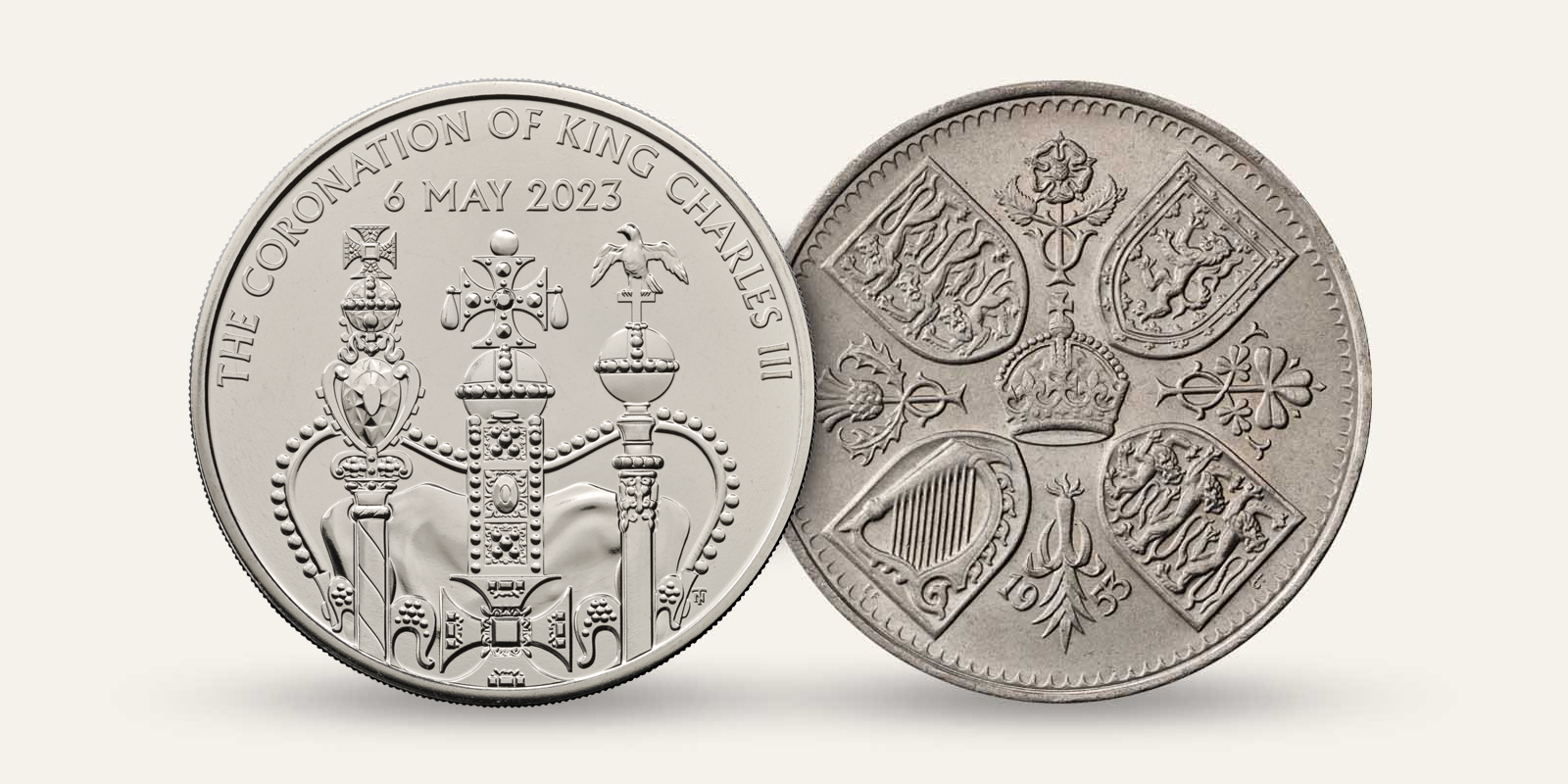
Measuring 38.61mm in diameter and weighing 28.28g, the crown coin gives artists the space to fully realise their designs. Its size has been retained over time, supporting intricate detail, clear inscriptions and designs that feel open and balanced.
Circulation
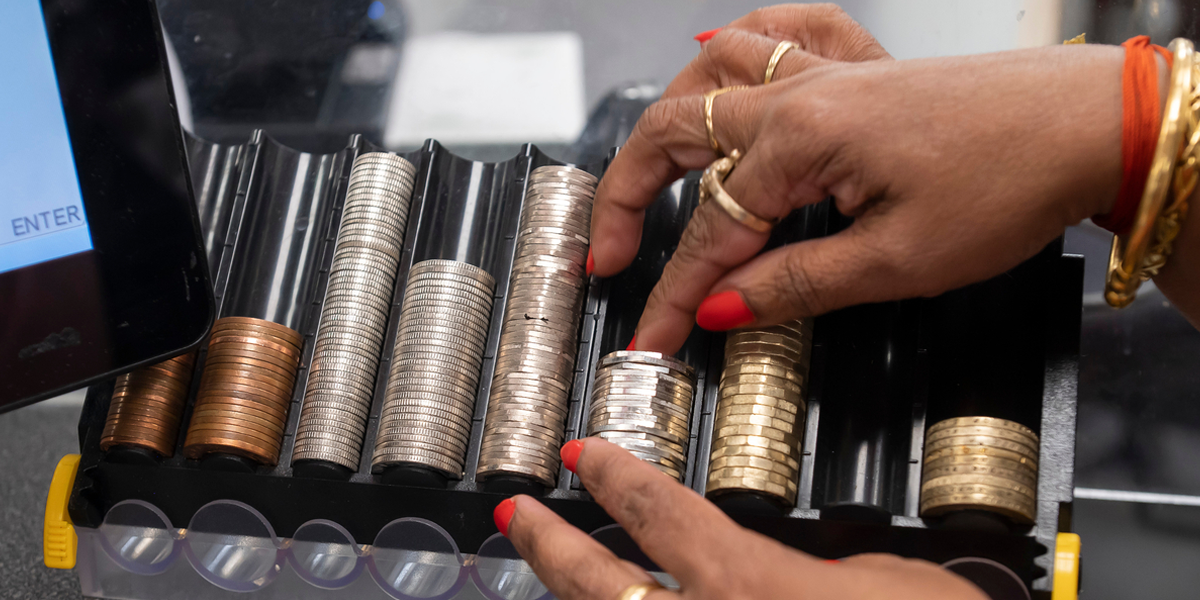
The £5 coin is a commemorative issue and does not circulate. Although it is legal tender, most retailers do not accept it for everyday transactions.
Celebrating 500 Years
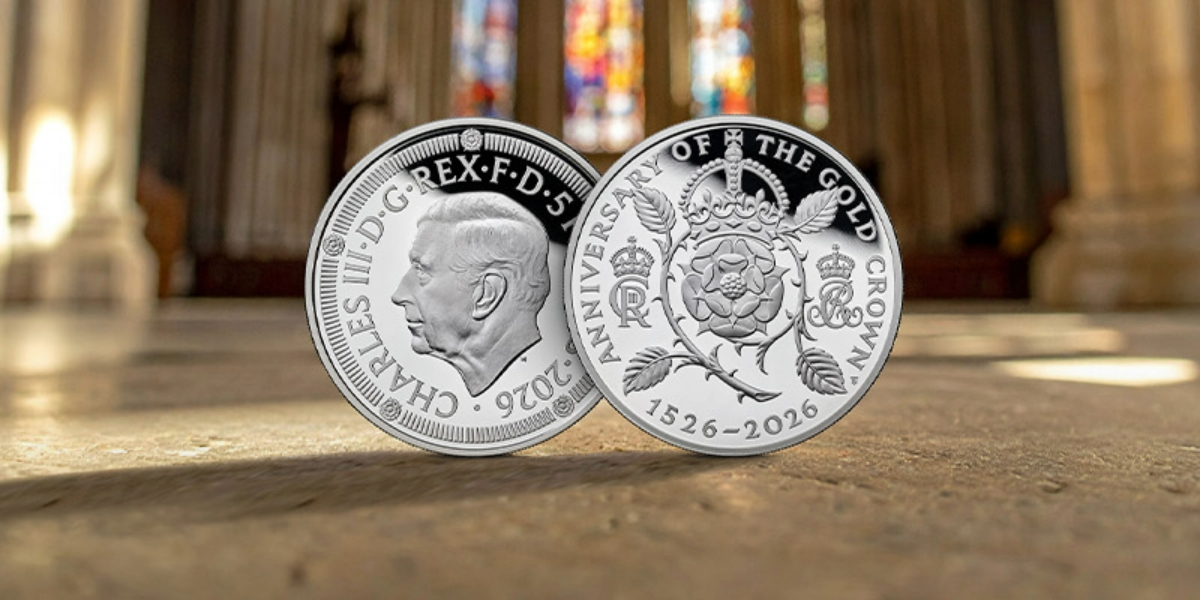
In 2026, we marked 500 years of the crown with a coin designed by Timothy Noad. Inspired by the 1526 crown, the coin fuses numismatic history with the modern British monarchy with the inclusion of the cyphers of both His Majesty King Charles III and Her Majesty The Queen. The obverse features a decorative border composed of five roses each marking a century since the introduction of the crown interspersed with elongated beads. Long associated with both England and the monarchy, the rose has appeared on British coins for centuries and was even used as a privy mark during the reign of Edward IV. The distinctive elongated beading is characteristic of coins struck without a collar, a result of the metal expanding during the striking process.
