The Royal Mint is famous for making coins. But did you know it also recovers gold from electronic waste, uses light to hide messages on metal, and counts Sir Issac Newton amongst its’ alumni? Britain’s oldest business has thrived for over 1,100 years by embracing change. From pioneering sustainable precious metals, to tackling a crisis in counterfeiting – here we explore The Royal Mint’s legacy of innovation.
 Please accept cookies to watch this video.
Sir Issac Newton: Unrivalled Accuracy
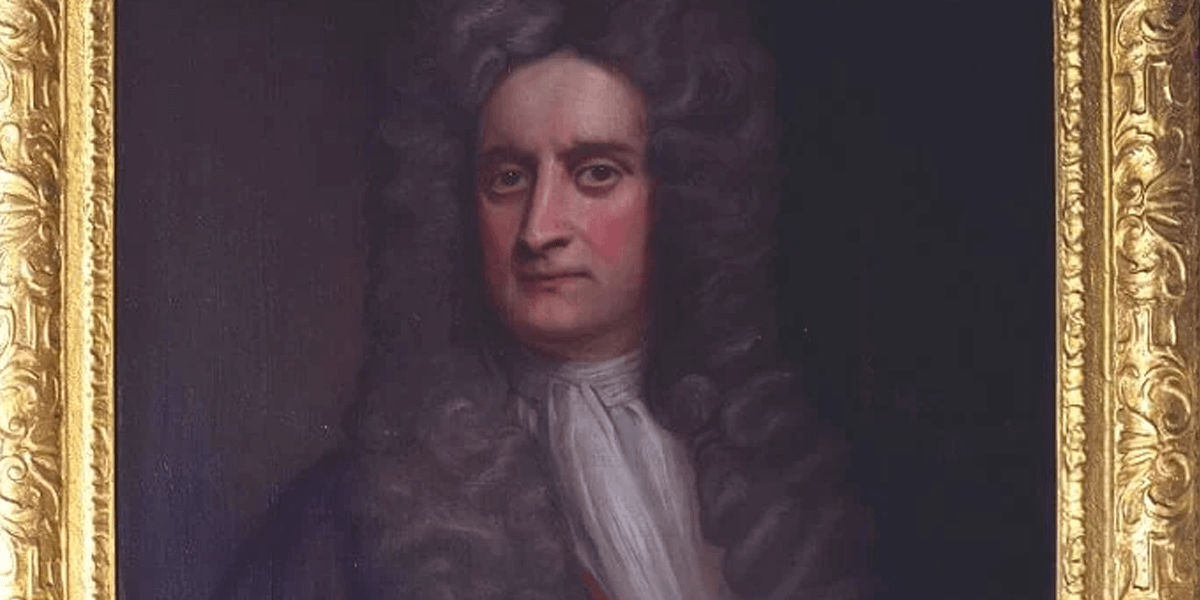
When Sir Isaac Newton joined The Royal Mint in 1696, Britain's finances were approaching crisis. Up to one in ten circulating coins were believed to be forged, and his tenure was marked by a relentless pursuit of perfection. The renowned scientist implemented rigorous anti-counterfeiting measures and established a gold standard that would endure for centuries. Thanks to Newton’s innovations, Royal Mint coins remain unrivalled in their accuracy and purity to this day.
The World’s Most Visually Secure Coin

Gold’s value has always made it a target for counterfeiters. So, in 2020, The Royal Mint unveiled the world’s most visually secure bullion coin. The Britannia design features four innovative security features, activated by rotating it in the light. The Royal Mint uses advanced picosecond lasers to create the complex design, including indents which are 200 times narrower than the width of a human hair.
Pioneering Precious Metals
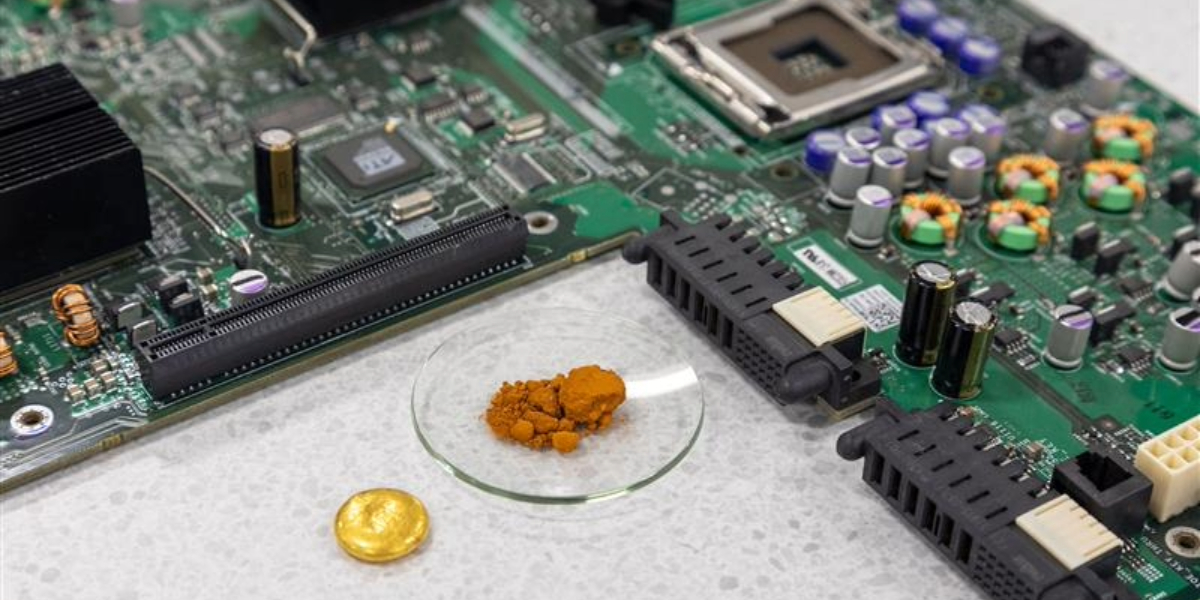
Did you know that 7% of the world’s gold is estimated to be contained in electronic waste? In 2024, The Royal Mint unveiled a world first factory to recover precious metals in a more sustainable manner. Using patented chemistry by Excir, The Royal Mint can extract gold from everyday electronics – such as laptops and mobile phones – and use them to make luxury, sustainable products.
Applying Coin Making Magic to Jewellery

As cash use changes, so has The Royal Mint. Today it's applying coin making expertise to jewellery making. The bestselling ‘Caustic’ range includes a series of hidden messages, crafted using light reflecting motifs applied to pendants and rings. Inspired by Sir Isaac Newton’s theories on the reflection of light, the caustic effect originated as a potential security feature on coins.
