
Recent discoveries highlight platinum’s continued importance in sensor technologies
Platinum continues to play a pivotal role in cutting-edge sensing applications, with recent research breakthroughs demonstrating how this unique metal could power the next generation of sensor systems.
Smelling with Sensors: The ‘Artificial Nose’
Scientists have moved a step closer to realising an artificial olfactory sensor — a system capable of detecting complex scent compounds. This innovation is anchored on a platinum-based molecule designed to interact selectively with volatile organic compounds known as terpenes.
Terpenes are organic compounds responsible for the characteristic scents of plants, resins and citrus fruits.
The platinum-based molecules can self-assemble into nanostructures that change configuration when they interact with specific scent molecules, creating a detectable signal that could form the basis of future ‘smelling’ devices.
Crucially, once the scent is removed, the sensor reverts to its original state, allowing it to be reused.
Potential applications range from environmental analysis and quality assurance to atmospheric sensing tools that require minimal equipment.
Hydrogen Sensing for a Hydrogen Economy
There is growing demand for hydrogen gas sensors that are reliable in real-world conditions — especially in humid environments, where conventional sensors struggle. Researchers at Chalmers University of Technology (Sweden) have developed a new platinum-based hydrogen sensor that actually improves performance with increasing humidity.
This ultra-compact sensor — small enough to fit on a fingertip — utilises platinum nanoparticles that act simultaneously as catalysts and sensing elements.
It works by measuring the thickness of a water film that changes in response to hydrogen concentration, enabling sensitive and robust detection without complex instrumentation.
Effective hydrogen sensing is critical to safely support the energy transition and the growing hydrogen economy by detecting leaks and minimising risks associated with flammable gas mixtures.
Why Platinum Matters
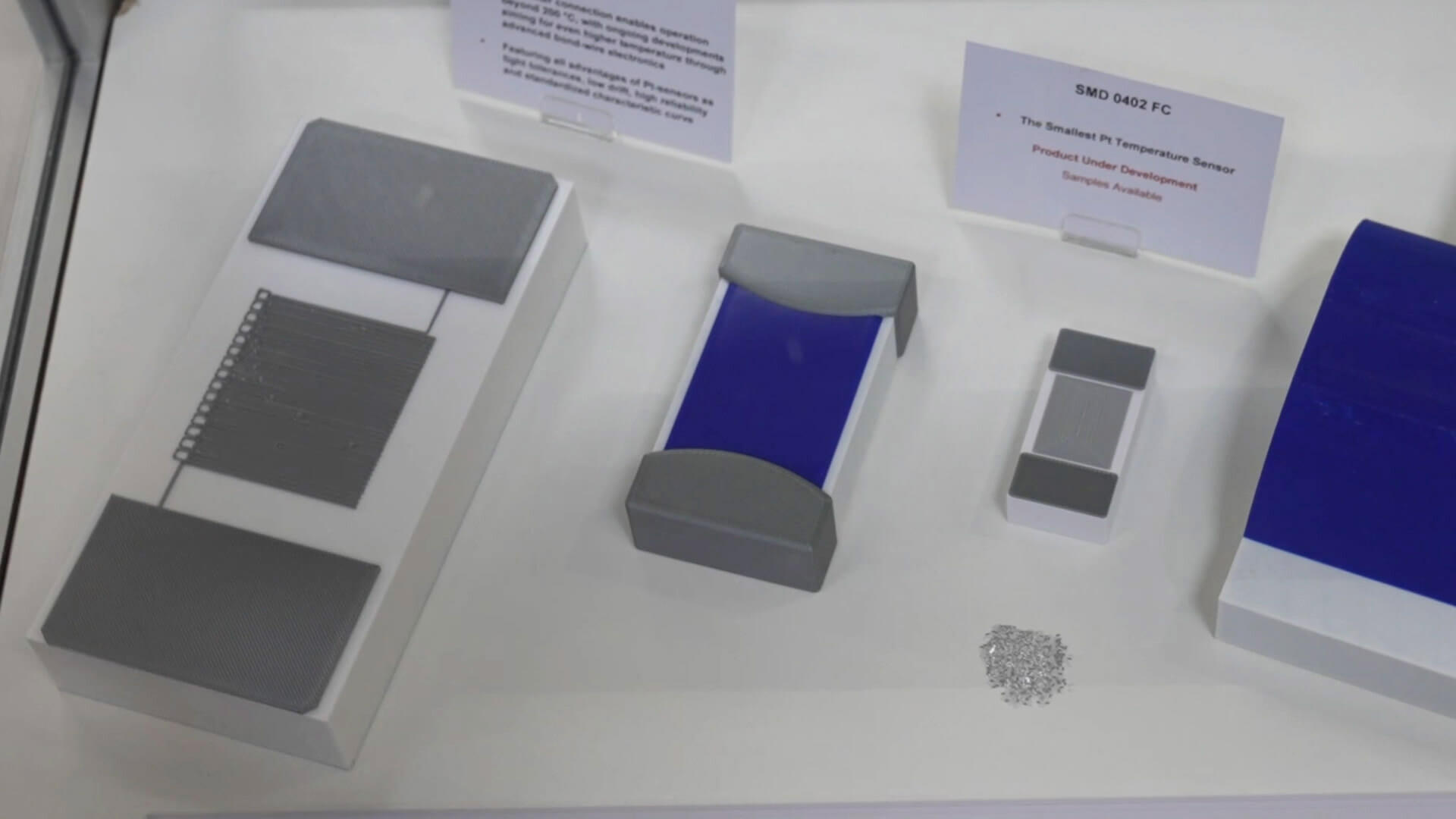
Platinum’s chemical and physical properties — including its catalytic activity, stability in varied environments, and electrical performance — make it a compelling choice for frontier sensor technologies that demand reliability and precision.
To Read the Full WPIC 60 Seconds In Platinum, click here.
Contact
For further information:
Vicki Barker – Investor Communications
Brendan Clifford – Institutional Distribution
Edward Sterck – Research
(All contacts sourced from the original WPIC PDF.)
Disclaimer
© 2026 World Platinum Investment Council Limited. All rights reserved. The WPIC name and logo are registered trademarks. Nothing in this summary constitutes investment advice.
Notes
The content of this article is accurate at the time of publishing, is for general information purposes only, and does not constitute investment, legal, tax or any other advice. Before making any investment or financial decision, you may wish to seek advice from your financial, legal, tax and/or accounting advisers.
>This article may include references to third-party sources. We do not endorse or guarantee the accuracy of information from external sources, and readers should verify all information independently and use external sources at their own discretion. We are not responsible for any content or consequences arising from such third-party sources.
