Commodities have historically been an important component of well-rounded investment portfolios, offering a useful counterbalance to traditional assets like stocks, shares and bonds. Amongst the various types of commodities available, silver may stand out because of its unique combination of industrial demand and status as a precious metal. For investors in the United Kingdom who are exploring ways to diversify their holdings, silver may present an accessible entry point into investing in commodities because it combines tangibility with global acceptance and relevance.

What are Commodities?
In simple terms, commodities are raw materials that can be bought and sold, typically and traditionally, in global markets. They are generally divided into two broad categories: hard commodities, such as natural resources, precious metals, oil and gas, and soft commodities like wheat and coffee.
Silver falls into the precious metals group of the hard commodities because, like other precious metals, silver is mined before being traded globally, both as a store of wealth and for its functional uses. Many factors can influence the price and demand of commodities, including supply and demand, geopolitical events and economic cycles.
Many investors add commodities, including silver and other precious metals, to their portfolio because they offer diversification and potentially an element of protection against inflation or currency fluctuations. However, as with any investment, performance is never guaranteed and prices can be volatile, especially over the short term.

Silver as a Commodity
Silver is an interesting precious metal, as unlike other commodities that are traded purely for their industrial or financial uses it offers both. On one hand, silver has historically been seen as a store of value, much like other precious metals, including gold. It has been used as currency for centuries and, like many precious metals, it carries a natural allure as well as a sense of intrinsic worth.
On the other hand, silver has many industrial uses and, as such, the demand for silver from an industrial perspective is growing rapidly. This is particularly true in sectors such as solar energy. Silver is known to be one of the most electrically conductive metals and, as such, it is essential in the production of solar panels. In recent years, the rising adoption of solar technology has in turn seen a rise in demand for silver within the industry.
In addition, its use in other industries is also increasing. Electric vehicles also incorporate silver within the manufacturing process and other industries, including medical, are also utilising some of the precious metal’s unique properties, which has led to increases in the demand and pressure on supply chains.
This wide adoption means that the price of silver is not just driven by investor sentiment but also by shifts in global industry and innovation within various sectors. This combination contributes to the price volatility of the metal as, compared with gold, silver can be more reactive to economic cycles, and supply and demand changes. For some investors, this adds an additional dynamic to a diversified portfolio, especially when combined with other assets that are more stable in comparison.
Silver vs Other Commodities
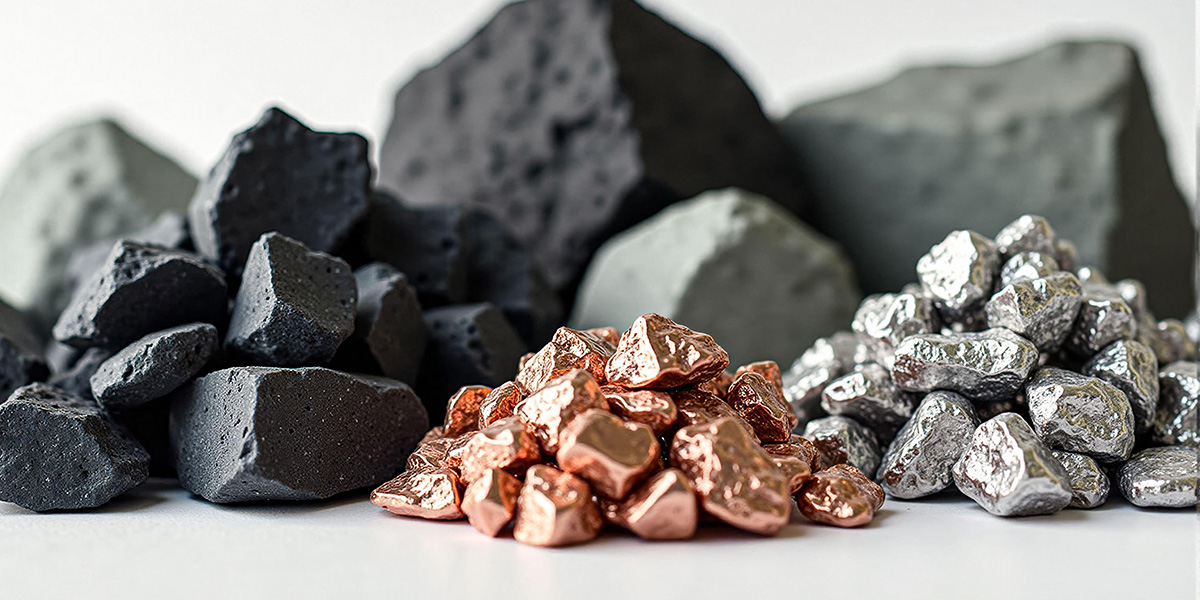
When considering silver within the context of commodities, it stands apart due to its unique blend of investment appeal and industrial demand. Unlike oil or perhaps more agricultural commodities, silver does not perish or deplete in the same way. It shares similar characteristics to gold, such as being a tangible store of wealth, yet it behaves differently in terms of market dynamics. It also differs from soft commodities, like coffee, wheat or livestock, as these are often vulnerable to climate or agricultural variables.
It could be suggested that the industrial applications of silver mean it is more closely linked to base metals, like copper or platinum, as these also offer industrial demand. However, silver is more traditionally seen as a ‘precious’ asset, so it is distinct from these in many ways too. This makes silver an interesting hybrid commodity, part ‘safe haven’ and part ‘industrial necessity’.
The Role of Silver in a Diversified Portfolio
As with many precious metals, some investors consider adding silver to their portfolios as one way to support diversification. Its characteristics mean it has the potential to respond differently to certain market conditions, though growth is never guaranteed.
As a tangible asset with global demand, silver could be seen to offer a hedge during periods of market volatility or economic downturns. At the same time, its widespread industrial use means it could benefit from growth in multiple sectors, providing exposure to long-term trends.
Unlike equities or bonds, silver has no counterparty risk and isn’t directly linked to corporate or government performance. In addition, adding silver to a portfolio does not require a large capital outlay.
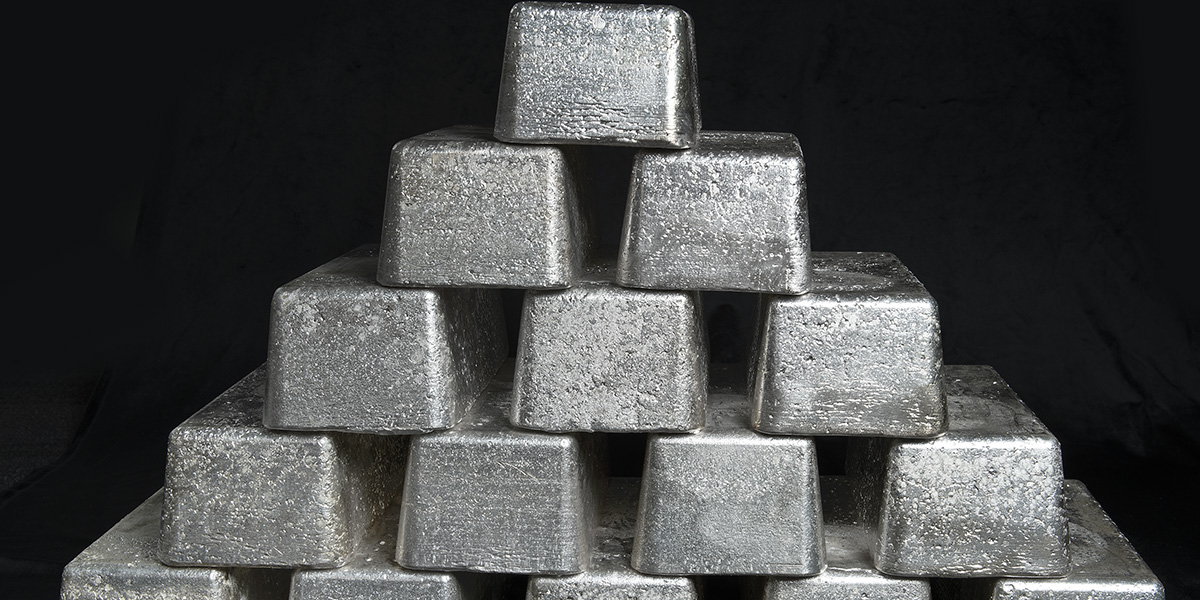
There are many options available, including bullion bars, coins and physically backed digital silver products. The UK silver coins we produce are classed as legal tender, which means they are exempt from Capital Gains Tax (CGT). This tax treatment does not apply to silver bars, so for individuals comparing different forms of silver, the CGT status of bullion coins may be a relevant consideration when deciding how to structure their holdings.
For those considering digital options, it is also worth noting that DigiSilver from The Royal Mint is now exempt from Value Added Tax (VAT). This change removes one of the historical cost barriers to silver investment and may make digital silver a more accessible route for some individuals compared with traditional physical formats. Whilst silver may not form the core of a portfolio, some investors see its characteristics as contributing to broader diversification, depending on an individual’s broader investment strategy.
Conclusion
As both a commodity and a precious metal in its own right, silver could hold a distinctive position within a balanced investment portfolio. Its dual demand from both investors and industry may make it an appealing option when compared with other assets available. Although it may be more volatile than some traditional investments, its affordability, accessibility and diversification options may make it a compelling option to consider.
For those exploring how to build a portfolio that offers resilience and balance, silver could offer a practical and tangible alternative. With flexible options ranging from physical bullion bars and coins to digital holdings, providers such as The Royal Mint offer various ways to access silver aligned with different investment preferences. As with any investment, it’s important to do your own research and ensure that any decisions align with your personal financial goals and risk appetite.
