Silver has been seen as a key precious metal for many years, valued for its beauty, utility and, like any precious metal, its rarity. Whilst often compared to gold, silver is sometimes seen as offering characteristics that may appeal to those exploring long-term investment options.
From its use in portfolio diversification, hedging against economic or political uncertainty, or as a method of gradually building tangible wealth, silver is increasingly being considered by investors looking beyond traditional assets.
Why Many Consider Long-Term Investment in Silver
Over the course of time, silver has played a dual role as both an investment asset and a commodity with some important industrial and technical uses, making it uniquely positioned as something to consider in long-term investment planning.
Historically, the price of silver has often been more volatile than gold when measured over the long term, and especially in the short term, but there have been notable trends of strong performance. This is particularly true when industrial demand surges or economic conditions favour safe-haven assets.
The lower price point per ounce compared with other precious metals, including gold, may mean silver is an affordable entry point into precious metals. This is because the lower price may make it more suitable for those looking to build a position over time, as the price, when compared with gold, means more frequent incremental purchases could be an option. This approach could help smooth out the impact of market fluctuations over time.
In addition, silver’s long history of use across sectors such as electronics, medical technology and renewable energy may add another layer of appeal. This is because demand for silver could also increase as these industries continue to grow. On the supply side, silver is often mined as a by-product of other metals like copper, lead and zinc. This means that the availability of silver doesn’t always rise and fall in direct response to the price, which could create supply constraints during periods of heightened demand.
With that said, as with any investment, it is not without risks. These are particularly due to price fluctuations and storage considerations, which means that silver may help complement other assets in a diversified portfolio.
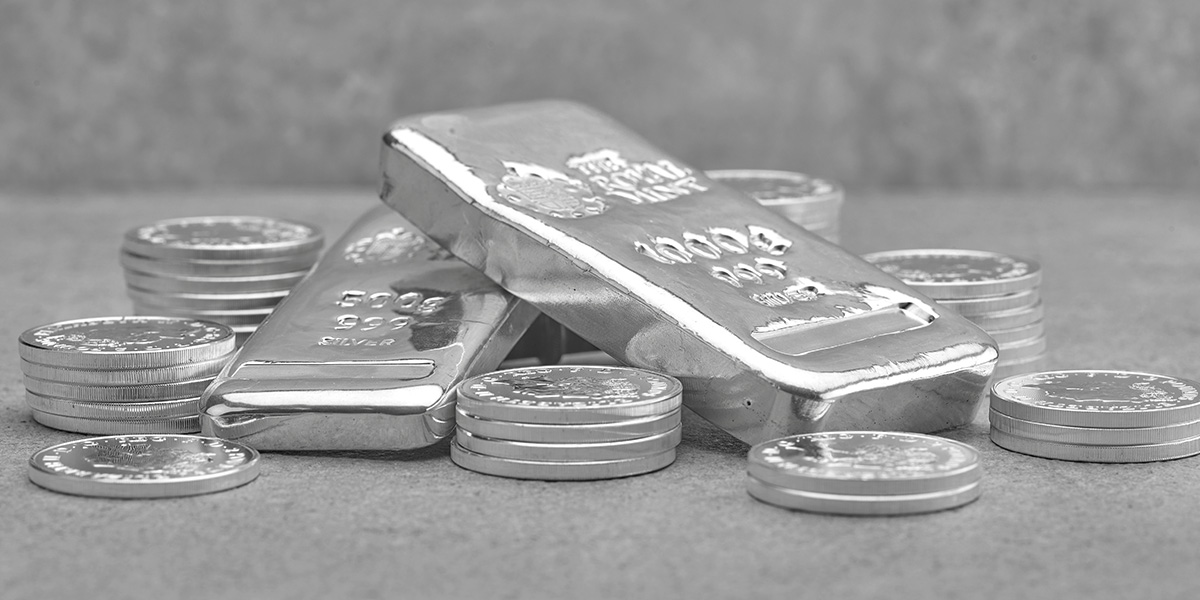
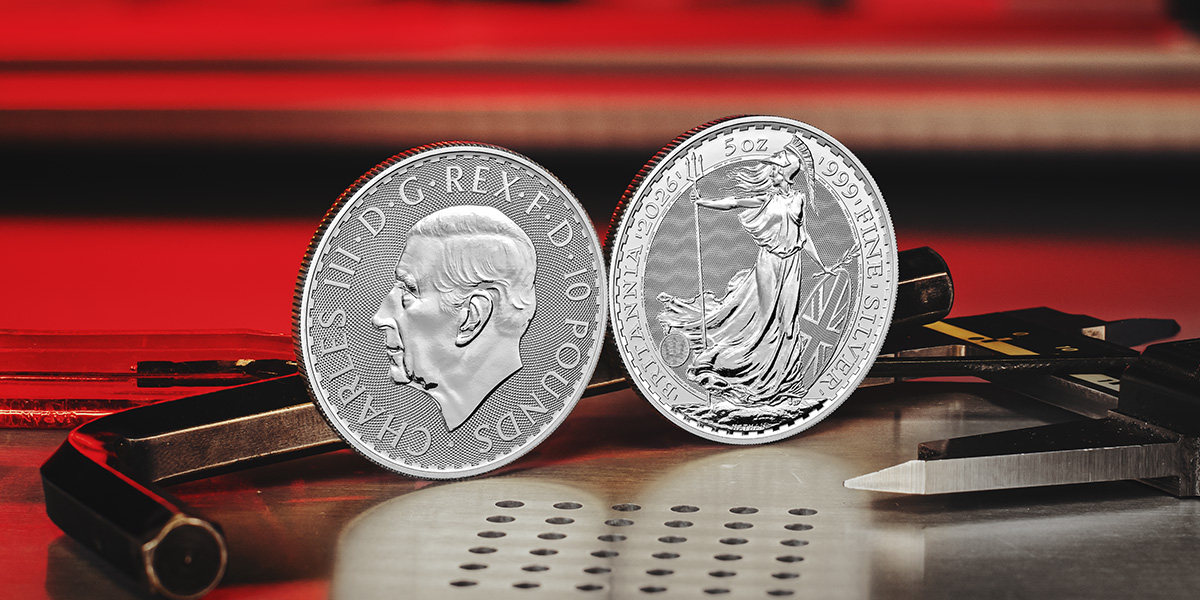
Products such as silver coins, silver bars or DigiSilver from The Royal Mint could make long-term holding more convenient and accessible, depending on individual goals and personal preference. It is also worth noting that the UK silver coins we produce are classed as legal tender, which means they are exempt from Capital Gains Tax (CGT). For long-term holders, this consideration may be an important factor when weighing up different formats of silver ownership.
Silver’s Performance Over Time
Silver has a long and varied history, both as a currency and a commodity. As with many precious metals, the price is influenced by investor demand and sentiment, but industrial innovation and demand, economic shifts and geopolitical events can also influence the price.
Over the past several decades, the price of silver has experienced notable highs and lows. For example, prices surged in the late 1970s and, once again, more recently, in the aftermath of the 2008 financial crisis, when demand for tangible assets increased. More recently, silver saw an increase in demand and a renewed interest during the Covid-19 pandemic and during times of inflationary pressure.
However, unlike gold, silver is more susceptible to economic cycles due to its use in wide-ranging industrial applications, which can add to the volatility in price. For instance, the first few months of 2026 saw a notable surge in silver prices, with some 1oz silver bullion coins reaching over £100. This spike was driven by a combination of increased industrial demand, constrained supply and heightened investor interest. Such movements highlight how silver can respond dynamically to shifts in both economic conditions and market sentiment.
Whilst any volatility could seem like a drawback, periods of lower prices might be seen as potential entry points for long-term investors. As part of a broader strategy, silver’s historical behaviour shows it can serve as not only a store of value but also an asset linked to global trends in technology, energy production and manufacturing.
Affordability and Accessibility of Silver
Apart from the lower price point per ounce when compared with other popular precious metals, the accessibility of silver is further enhanced by the wide range of product formats available. From smaller denomination bullion coins to larger bars and even digital silver options, there are flexible choices available for various investment preferences.
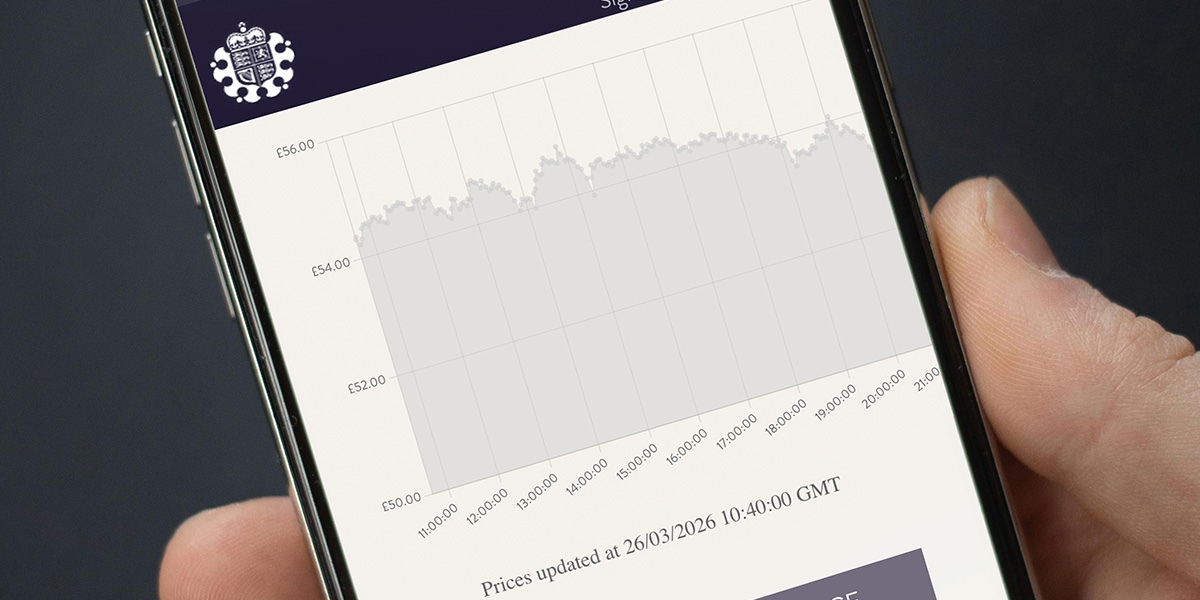
We offer both physical silver bullion and DigiSilver, a physically backed digital investment solution that allows investors the opportunity to purchase fractions of silver stored securely on their behalf. One key point to note for investors in the United Kingdom is that DigiSilver is now exempt from Value Added Tax (VAT).
This recent change removes one of the previous cost barriers to investing in silver and may make digital silver a more accessible entry point for those looking to gain exposure to the metal without taking physical delivery. This range of options can offer a practical way to tailor an investment approach based on budget, storage preference, and needs around liquidity and access.

Risks and Considerations for Long-Term Silver Investment
Although some investors consider silver to hold potential over the long term, it is important to acknowledge the risks and practical considerations involved. One key factor is price volatility, as silver prices are known to fluctuate more dramatically than gold, largely due to the previously mentioned dual role as both an investment asset and an industrial metal. This volatility could create opportunities but may also lead to short-term uncertainty.
Storage and security are also important considerations for any precious metal, and silver is no different. For those holding physical silver, investors may need to factor in the cost of logistics and secure storage, whether at home or through a trusted service like our vault. For those preferring a more flexible option, digital silver may offer an alternative with fewer logistical considerations involved.
Finally, as with any investment, it is important to consider silver as part of a broader, diversified portfolio. Balancing your investments over multiple asset classes is an important fundamental of diversification, as it may help to manage risk when some assets decrease in value.
Conclusion
Silver may not always receive the same level of attention as gold but its long-term role within a portfolio is something many investors choose to explore. With its uses as both an investment metal and an asset with industrial use, it could be worth researching when investors plan their portfolio and manage their investment strategy. As always, it is important to do your own research and consider how something like silver fits with your personal financial goals and within your broader investment approach.
