When considering long-term financial planning, one of the key objectives of many is how long-term security and resilience can be built into your portfolio. Traditionally, this has included a mix of pensions and savings, including cash or savings accounts. However, some may choose to explore alternative assets, including precious metals. Although gold is often the first consideration when thinking about precious metals, silver has long been considered one of the ways to gain exposure to precious metals as part of a broader, long-term investment strategy.

Why Consider Silver for Long-Term Planning?
When people think about long-term financial planning, they are often looking for ways to protect and grow their portfolio, stay ahead of the impact of inflation or simply build something that could offer stability over time. Although silver is often overshadowed by gold and other precious metals, it has been coveted for centuries as a recognised store of value and it continues to be a popular entry point for those looking to get started in precious metals.
One of the appealing qualities of silver is its accessible nature. Compared with gold, silver has a lower price per ounce, which may mean it is more approachable for those looking to start their investment journey or for those looking to add smaller additions to their portfolio over time.
When looking at value, especially over time, it is important to note that the value of silver is shaped by both investors’ interest and industrial demand. This is because silver plays an important role in manufacturing, production and technology. Electronics and renewable energy mean that the value can be influenced by different factors than those seen in other precious metals.
From solar panels and semiconductors to electric vehicles and even life-saving medical equipment, silver is used in a wide range of applications, partly because of its excellent conductivity and versatility. This industrial demand can influence the price of silver in ways that differ from gold, which is primarily driven by investor sentiment and central bank activity.
This, in turn, means that although silver may not be a complete solution on its own, many view it as one of several tools that can support a financial portfolio to lead to greater financial resilience over time.
Ways to Include Silver in Your Financial Clan
As with any precious metal, there are several ways silver can be included in a long-term financial plan, depending on individual preferences around access, storage and how an investor wishes to manage their holdings. As a result, it is important to consider options that align with individual goals, risk appetite and investment time horizon.
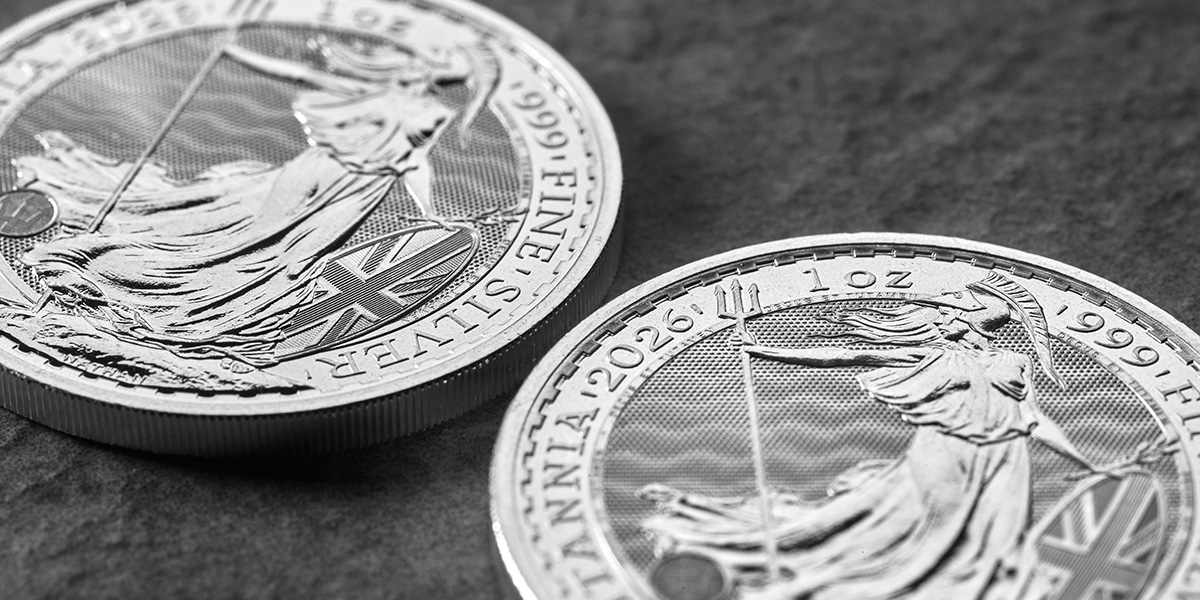
Physical silver, such as bullion coins and bars, remains one of the most recognised forms of silver and one of the primary ways people choose to add silver to their portfolio. These products are available in a variety of designs and, more importantly, weights, meaning they could be suitable for a wide range of budgets. A key distinction of the UK silver coins we produce is their classification as legal tender. This means they are exempt from Capital Gains Tax (CGT), which may offer a tax-efficient benefit for those who realise gains on their holdings in the future. We offer a selection of silver coins and bars that can either be delivered or stored securely in our vault at The Royal Mint, one of the most secure locations in the United Kingdom.
Physically backed digital silver provides a more flexible, modern approach to silver investment. Products like DigiSilver from The Royal Mint allow investors the opportunity to purchase fractional amounts of physical silver, stored on their behalf. This can be an option explored for those who want to avoid the practical implications of securely storing physical silver but still want exposure to live market pricing for the precious metal.
Silver-backed funds and Exchange Traded Commodities (ETCs) offer another route for investors to gain exposure to live silver markets without owning the metal directly. There are multiple differences between DigiSilver and The Royal Mint’s ETC product, but one of the many factors is the platform used to access your holdings. DigiSilver is available directly from The Royal Mint, whilst the ETC is available through fund-based investment platforms.
These are just some of the many options available to investors in the UK who are looking to get started with silver. Each option carries different costs, levels of control, risks and practical considerations, so it is important to weigh up each option carefully as part of your overall financial plan.
Balancing Short- and Long-Term Perspectives
As with lots of precious metals, many approach silver with a long-term view, but it can also attract interest from those looking to explore and respond to short-term market movements. Understanding how silver behaves in both contexts can help inform how it fits into a broader investment approach.
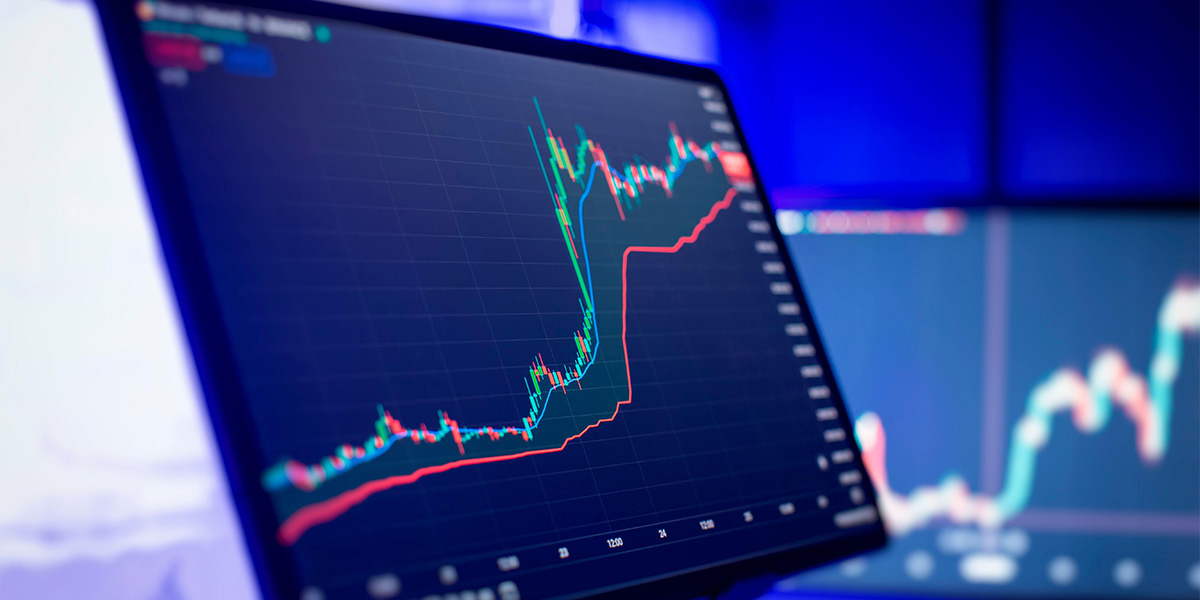
As with many assets, silver prices can prove volatile in the short term, as the price is influenced by many factors, including industrial demand, economic data, currency movements and investor sentiment. This could present opportunities, but it could also mean that price fluctuations may be more pronounced than with other traditional long-term investment options.
On the other hand, some investors may choose to hold silver over longer periods as part of a broader strategy focused on wealth preservation, portfolio diversification or gradual accumulation. The track record of silver as a tangible asset with global recognition could support this approach, particularly when included as part of a wider, balanced investment portfolio.
Whether the approach is to hold silver with a short-term view or as part of a long-term strategy, silver’s potential could lie in how it interacts with your broader investment goals. As with any decision, time scales, risk tolerance and your own personal circumstances should all be carefully considered before choosing an approach that suits you.
Practical Considerations for UK Investors
For those in the UK exploring silver as part of their investment plans, there are a number of practical considerations to make and keep in mind. Firstly, unlike gold, which is exempt from Value Added Tax (VAT) in certain forms, silver is generally subject to VAT when purchased. This additional cost can impact profitability, especially over the short term, so it is an important consideration to factor into your personal decision making. However, digital silver products such as DigiSilver are now exempt from Value Added Tax (VAT). This change may make digital silver a more cost-effective route for UK investors seeking exposure to the metal without incurring upfront VAT costs.
Similarly, storage is another important element. Due to the price difference, physical silver takes up more space than gold for the same value, so secure storage becomes even more relevant. We are just one of many providers who offer secure and insured vault storage, giving investors peace of mind without needing to store and insure their precious metals at home.
Finally, it may be helpful to consider how easily the holding could be accessed or liquidated, depending on personal strategy. Options like DigiSilver provide the option to buy, store and sell precious metals based on live market rates, whilst still maintaining ownership of the physical metal stored on your behalf.
With a range of ways to invest, from physical bars and coins to digital platforms like DigiSilver, UK investors have more flexibility than ever to access, store and sell precious metals, including silver. As always, it is important to explore each option carefully and choose what aligns best with your personal goals and circumstances.
