In recent years, as markets continue to evolve and change, and investors seek more resilient, balanced portfolios, alternative investment options have grown in popularity. Although gold has long held the spotlight, silver is increasingly being recognised as a viable investment option for investors in the United Kingdom. Silver offers accessibility, historical significance and a unique blend of demand from both investors and industry that sets it apart from both traditional assets and other precious metals.
This article looks to explore silver as an alternative investment, from what qualifies silver as an alternative asset to the various ways investors can choose to add it to their portfolio.
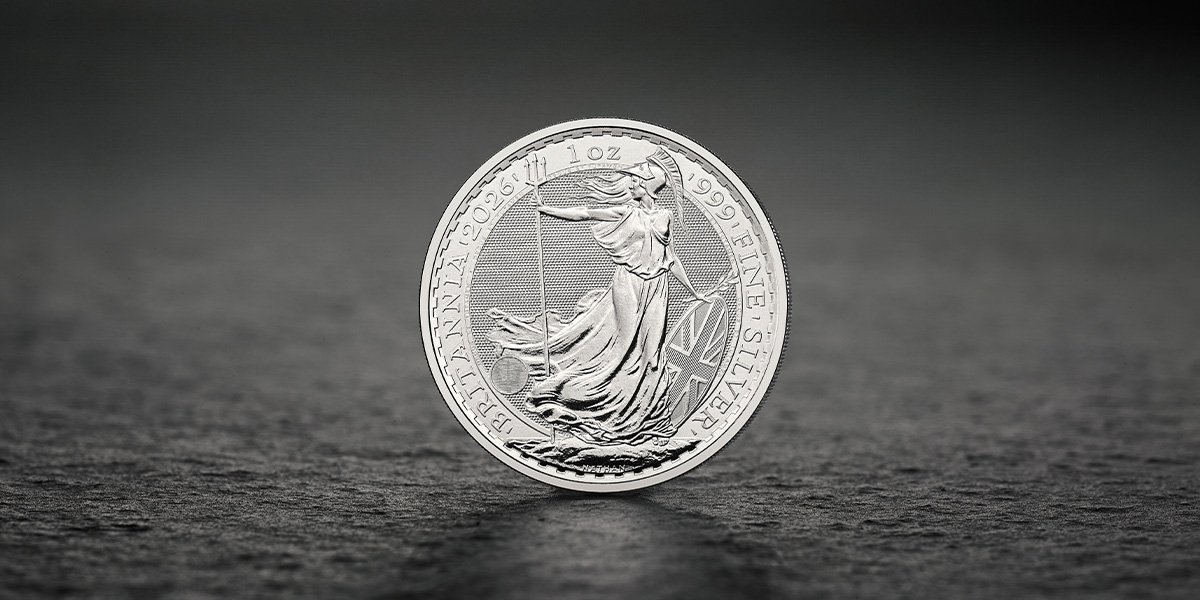
What Makes Silver an Alternative Investment?
When considering investments, especially when it comes to precious metals, many will consider silver to be an alternative investment option. This may be because, as a precious metal, it sits outside the traditional investment categories that first come to mind when considering your options, like stocks, shares, bonds and cash.
Much like gold, silver is a tangible asset, which immediately distinguishes it from paper-based investments. However, silver has its own unique characteristics that not only set it apart from gold, including greater affordability and a broad range of industrial uses, but also influence its value in unique ways.
Whilst gold is often positioned as a hedge against inflation and currency volatility, the value of silver tends to be more closely linked to economic activity due to its role in manufacturing, electronics and renewable energy. This means silver offers two functions, partially an investment asset but also an industrial metal, which may offer a different risk and return profile when compared to gold.
The alternative status of silver also stems, in part, from its accessibility. It has a much lower price point than many other precious metals, including gold, which means it is often seen as a more approachable option for those new to precious metals or those simply looking to diversify. For UK investors, this could mean exploring silver coins, silver bars or even physically backed digital silver from trusted providers like The Royal Mint.
How Silver Compares to Other Alternative Investments
When evaluating alternative investment options, silver could be compared with other assets like property, collectables and, more recently, cryptocurrency, but as with any investment, each carries its own price volatility, set of risks and accessibility.
If you compare silver with property, silver is far more liquid and, apart from perhaps storage, management or insurance costs, it requires less by way of day-to-day maintenance or management. It also offers a much lower barrier to entry, potentially making it more accessible to a wider range of investors. Cryptocurrency, on the other hand, could offer a lower barrier to entry but lacks the centuries-old history of silver and precious metals as a store of wealth and value.
Collectables such as art, wine or even classic cars can appreciate in value significantly over time, but their value is highly subjective and often dependent on niche markets. In contrast, silver benefits from global demand and more transparent pricing.
Although it may not deliver the exponential returns of more speculative assets, silver is sometimes viewed as a historically grounded option with a broad demand base, offering the potential advantage of being tangible, internationally tradable and widely understood.
Ways to Access Silver as an Investment
For individuals exploring silver as part of a diversified portfolio, there are many accessible options available, depending on your own preference for ownership, storage and liquidity.
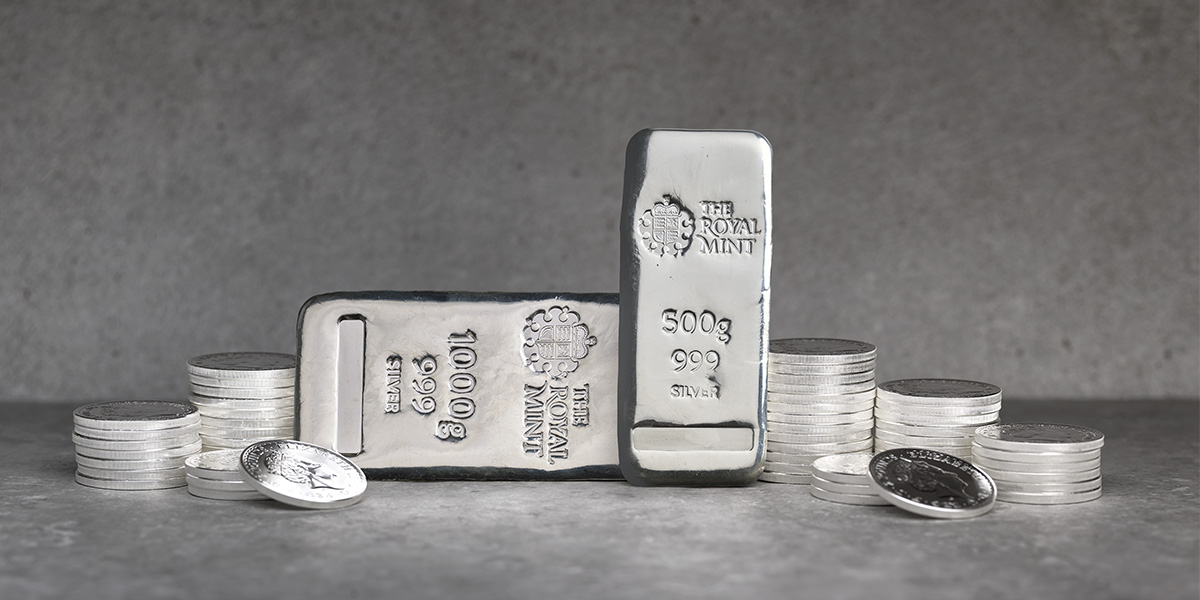
Physical silver is probably what comes to mind for most people when silver investments are first considered, as it is one of the many popular ways to invest. Silver bars and bullion coins offer a tangible asset that some investors choose to store securely and hold over short or long periods.
For UK investors, it is worth noting that the silver bullion coins we produce are classed as legal tender, which means they are exempt from Capital Gains Tax (CGT). This can make them a tax-efficient choice compared with some other physical assets. In addition, we provide a wide selection of silver bullion bars in various weights, allowing investors to tailor their purchases to suit their budget and investment strategy. Most physical silver bullion we offer can either be delivered or stored securely at our vault, offering both convenience and peace of mind.
For those looking for a more flexible option, physically backed digital silver provides fractional ownership of physical metal, stored securely and accessed entirely online. DigiSilver from The Royal Mint offers a cost-effective, simple way to gain exposure to silver without taking delivery of physical metal. One point to note for UK investors is that DigiSilver is currently exempt from Value Added Tax (VAT), removing one of the key historical cost barriers associated with silver investment. Investors can buy, sell or hold their silver through an online account, with pricing based on live market rates.
These are just some of the ways to access silver and add it to your portfolio. Other routes are available including, but not limited to, silver-backed funds or Exchange Traded Commodities (ETCs), collectable and numismatic silver, as well as a multitude of other options. Each carries its own advantages and risks, so choosing the right approach depends on your broader investment goals, risk tolerance and how you plan to manage your holdings.
Some Considerations when Approaching a Silver Investment
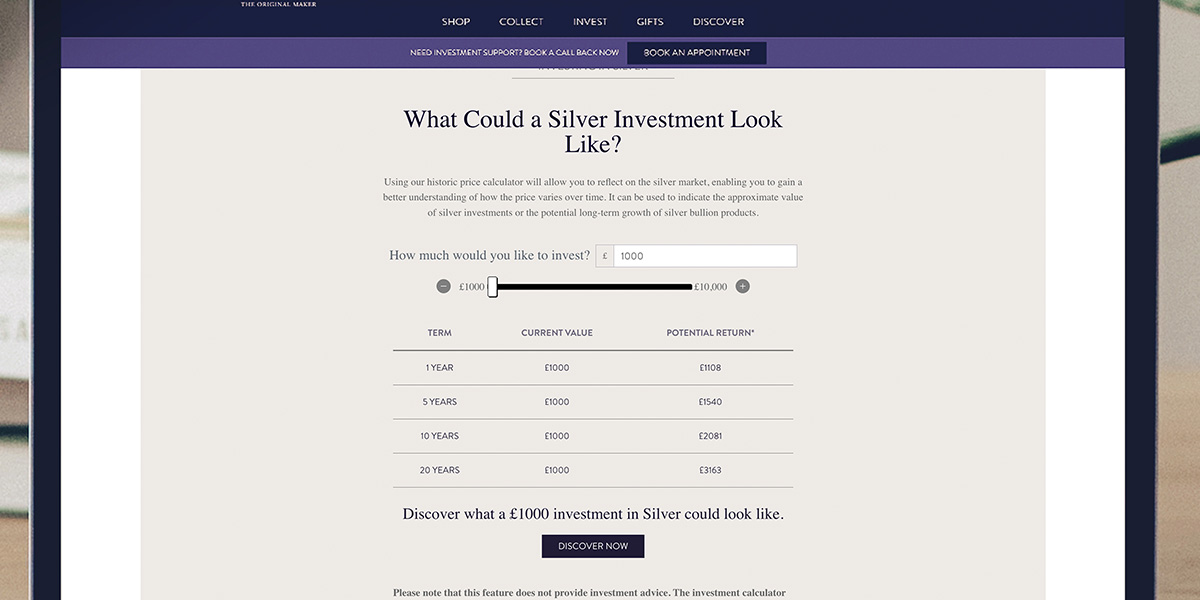
As with any alternative investment, it is important to approach silver with a clear understanding of both its potential and its potential limitations. Whilst silver benefits from global demand and long-standing recognition, its price can be volatile, particularly over the short term. This volatility is often influenced by changes in industrial demand, economic conditions and wider market sentiment.
Practical considerations are also important as physical silver may involve storage and insurance costs, whilst digital silver and perhaps fund-based options can introduce platform and counterparty risk and considerations. In addition, tax treatment, liquidity requirements and investment timescales can all play a role in determining whether silver is appropriate for an individual portfolio.
Silver is often explored as part of a broader, diversified approach as opposed to a standalone solution. By understanding how it behaves, how it can be accessed and the risks involved, investors are better placed to assess whether silver could have a role in their portfolio, based on their individual financial circumstances and long-term goals.
