Diversification is a fundamental principle of investing that is often relied upon to help mitigate and reduce risk, whilst improving the stability of a portfolio over time. Although many investors will be familiar with spreading their investments and capital across multiple sectors or asset classes, fewer may consider the specific role that precious metals, including silver, may play in this process. As a tangible asset with both industrial and investment demand, silver is said to have characteristics that are distinct from more traditional holdings, such as stocks and shares, bonds and even gold.
The Importance of Diversification in Investing
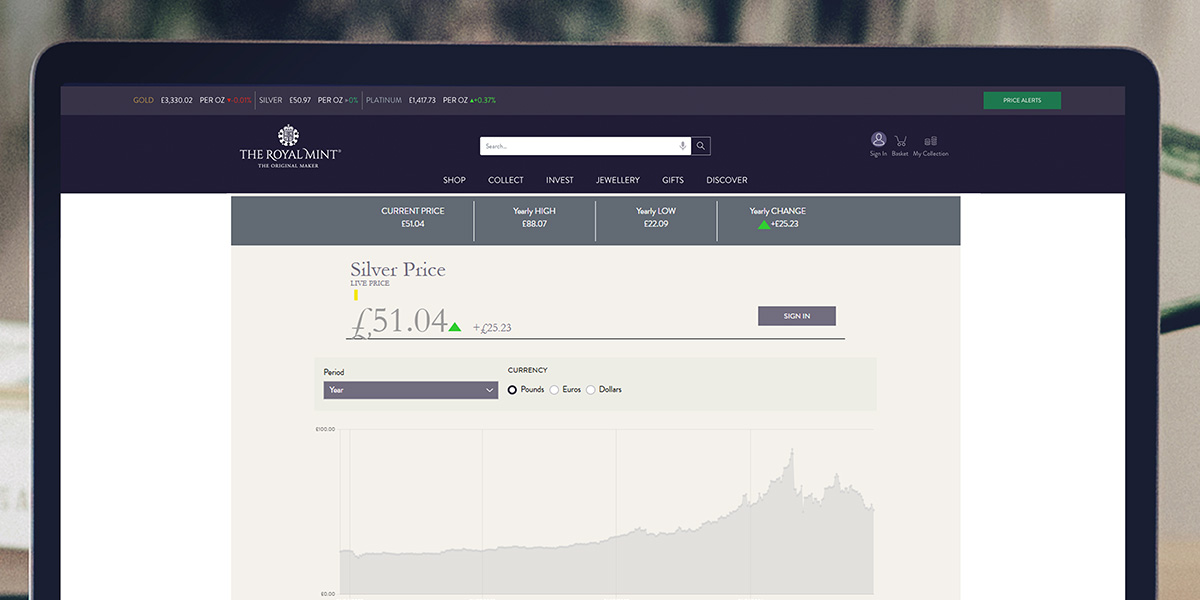
Diversification is widely regarded as a key strategy and cornerstone for managing investment risk and helping balance a portfolio. By spreading investment capital across a range of asset types, sectors or geographies, investors can try to reduce their exposure to the volatility of any single investment. This approach may be particularly valuable during periods of market turmoil or uncertainty, where holdings that are concentrated on a single asset class may be more vulnerable to short-term losses.
Traditional portfolios often include a mixture of equities, bonds and cash. However, incorporating alternative assets, including precious metals, may add another layer of balance and potentially insulate the portfolio further. This is because different asset classes respond in different ways to the same economic events. For example, when equities may suffer during periods of inflation, other assets, including more tangible assets like silver, may perform in a different and perhaps positive way due to their intrinsic value and industrial demand.
For investors in the United Kingdom looking to build a resilient and well-rounded portfolio, learning how different assets interact with each other can be key to helping develop your own personal strategy.
Where Silver may sit in a Diversified Portfolio
When compared to more traditional financial instruments and investments, and even to other precious metals like gold, silver holds a unique position because it offers characteristics that set it apart. Silver is tangible; you can hold it in your hand and, as a tangible asset, it is not subject to the same counterparty risks as equities or bonds. Some investors consider silver a potential tool for risk mitigation, particularly during times of economic turmoil, uncertainty or market downturn.
Silver also serves dual roles as an investment asset and an industrial metal. With other precious metals, including gold, much of the demand is largely driven by investor sentiment. With silver, its price is also influenced by industrial demand from multiple sectors, including electronics, renewable energy and even medical uses. This connection to global manufacturing means that the price of silver could respond differently to other assets in which demand may be linked to a single source, like the investment market alone.
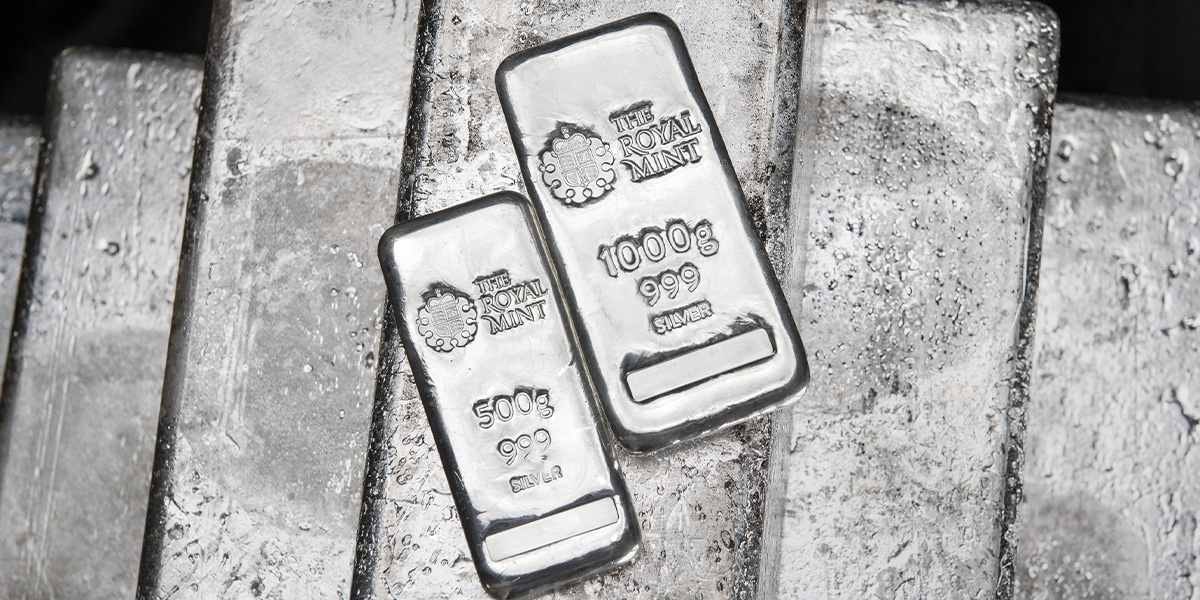
Silver’s characteristics mean it is sometimes viewed as both a potential hedge against inflation and a way to gain exposure to long-term industrial or economic trends. Products like our silver bullion bars or silver bullion coins are available in a variety of sizes and, as such, offer flexible ways to include silver in your plan if you wish to. Similarly, depending on your goals, budget and appetite for physical versus digital, we also offer digital silver, where silver is bought, stored and sold digitally within your online account.
How Silver Compares to Gold
When considering investment in precious metals, many first turn to gold as it is perhaps the most well-known precious metal investment available. Although silver and gold are both precious metals, they have very different characteristics, which may mean they offer different benefits and risks as a result.
Gold has traditionally been viewed as a store of value, a safe haven in times of market uncertainty and a hedge against currency fluctuations. This historic role as a safe-haven asset means it tends to retain demand during times of economic downturn or periods of market uncertainty. Silver, on the other hand, combines monetary and industrial demand. Its lower price point may make it more accessible to those new to investing or perhaps those looking to gradually build a portfolio.
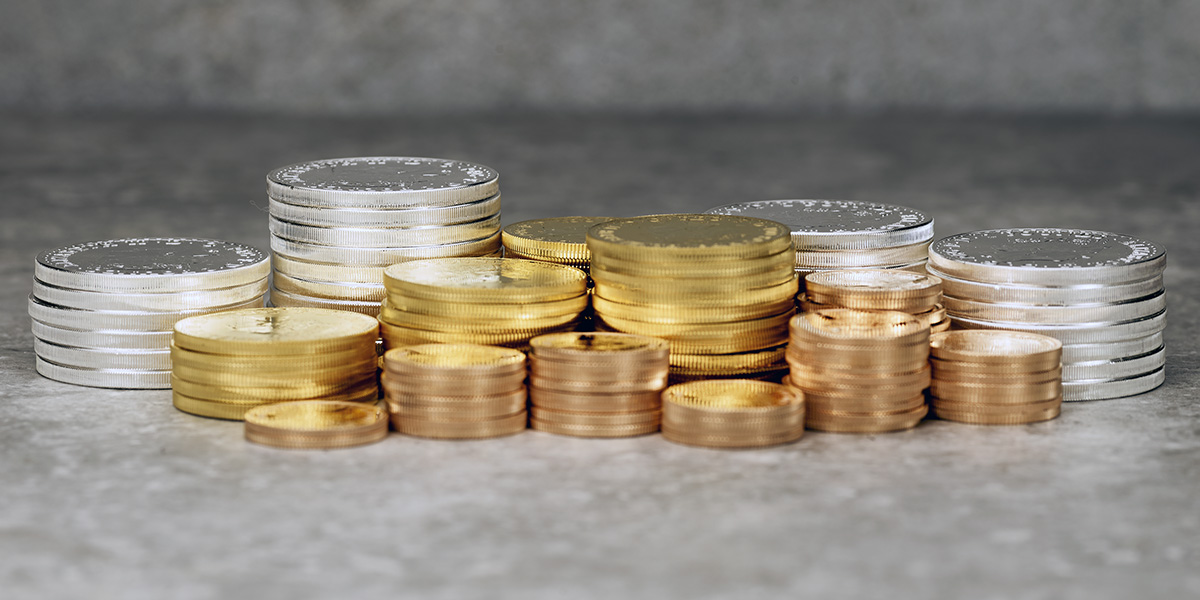
As a result of these differences, some may choose a combination of gold and silver in their portfolio to help balance risk and reward. This choice, and the ratio of gold and silver that is chosen, depends on the personal preferences of the investor, and what their own approach to risk and reward is.

Options for Diversifying with Silver
For investors considering adding silver to their portfolio and including it as part of a broader investment strategy, there are several routes available, depending on personal preference, goals and appetite for risk.
One of the most popular and direct ways is through physical silver bullion. There are multiple reasons for this, not least because holding actual silver bullion coins or bars in your hand is an appealing proposition. This is because silver bars and coins offer tangible ownership and are available in various sizes for different budgets.
Products from providers like The Royal Mint ensure authenticity and allow for secure storage or secure delivery. For UK investors, it’s also worth noting that the silver bullion coins we produce are classed as legal tender, meaning they are exempt from Capital Gains Tax (CGT). This may offer a tax-efficient advantage compared with other physical assets.
For those looking for greater flexibility combined with ease of management, modern online trading options are available, including digital silver investments. Services such as DigiSilver from The Royal Mint enable fractional ownership of physical silver that is held securely on the investor’s behalf. For UK-based investors, DigiSilver is also exempt from Value Added Tax (VAT), helping to remove one of the historical cost barriers to investing in silver digitally. This approach could be useful for those who are interested in liquidity, as digital holdings can be sold online, with pricing linked to live market rates.
Other options for silver exposure are available, including silver-backed Exchange Traded Commodities (ETCs). These track the price of silver in a similar way to other options but may be more suitable for more experienced investors comfortable with managing market-traded instruments.
Ultimately, there are a multitude of options available, and the choices depend on the individual investor, how they plan to own and manage their portfolio, and their own personal investment strategy.
Conclusion
Although silver may form a valuable addition to an investment portfolio, it is important to be aware of the considerations that come with it. The price of silver tends to be more volatile than other precious metals, most notably gold, simply because the price is influenced by both investor sentiment and industrial demand. This could lead to wider price movements, especially in the short term, which may not suit all investor types. Additionally, storage and insurance, combined with resale options, should be considered when weighing the options around physical vs digital investing.
As always, individual circumstances vary, and it is important to conduct thorough research and ensure decisions made align with individuals’ financial goals and risk appetite.
