Understanding Scrap Gold
How gold is recovered and reused
The word ‘scrap’ might suggest something worn out and worthless but when it comes to gold, that couldn’t be further from the truth. Scrap gold is simply gold that is no longer serving its original purpose. Everything from broken jewellery, damaged items, old dental gold, industrial material, even tiny quantities recovered from electronic waste still hold real value because of the precious metal they contain.
What each piece is actually worth depends on a number of key factors, from weight and purity to the current market price of gold. But the important point is that scrap gold can almost always be refined and given a new life, which is what makes it such a significant part of the precious metals industry.
Gold recycling has grown considerably in recent years, and some of the developments in this space are both innovative and interesting. The Royal Mint, for example, has developed a process to recover gold from the printed circuit boards found in electronic waste. This process is just one example of how gold can be extracted from existing materials and put back into circulation, rather than left to go to waste or lost to time.
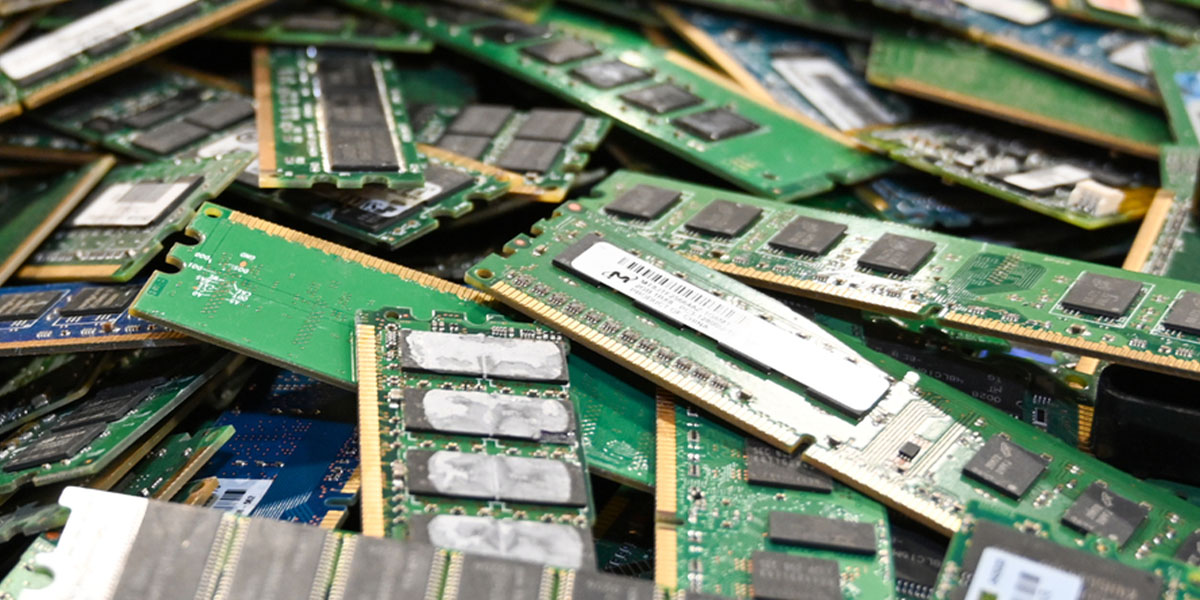
Common sources of scrap gold
Scrap gold can be found in more places than most people would expect. One of the most common sources is jewellery, including broken chains, damaged rings and odd earrings. The item itself might be seemingly worthless, but the gold it contains is a different matter entirely.
Dental gold is another source that often gets overlooked. Older crowns, bridges and dental restorations were frequently made using gold alloys, and when they are replaced or removed, the material that comes out can still hold meaningful value.
Another source previously mentioned is the waste from electronic items. Gold is used in connectors, circuit boards and various other components precisely because it conducts electricity so well and resists corrosion so reliably. Even in very small quantities, gold offers a function that other metals cannot, so it is found in a surprising number of everyday items. This makes electronic waste a legitimate source of recoverable gold.
Across all of these sources, however, the same principle applies. Although the value has little to do with the form and purpose of the original item, as long as it contains gold which can be recovered in a financially viable way, it may offer a source of scrap gold for reuse.
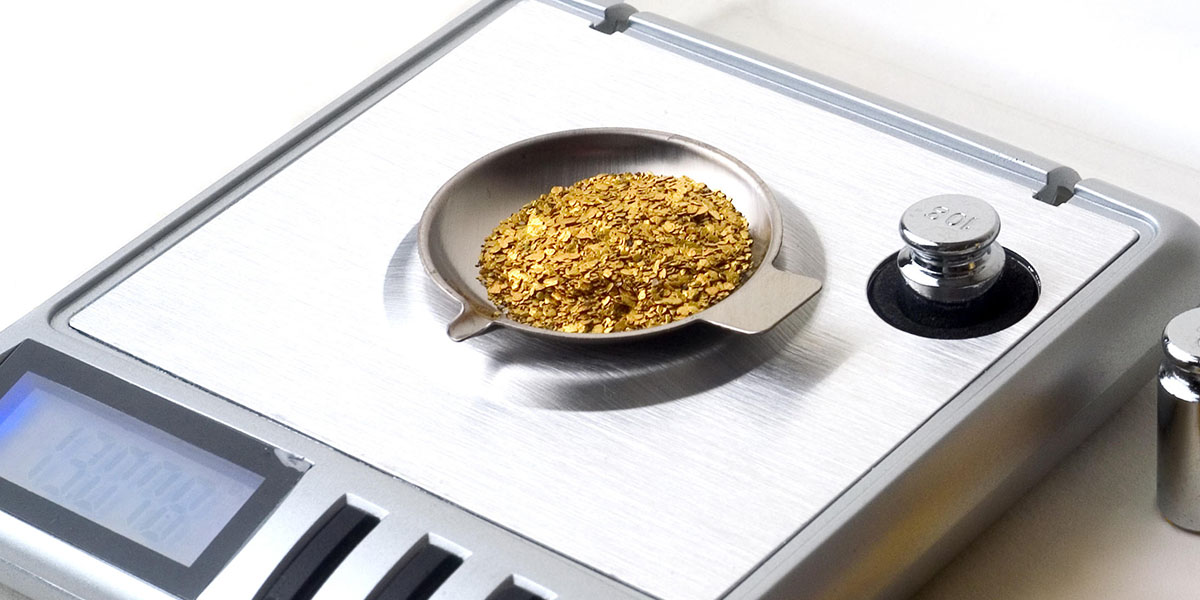
How scrap gold is valued
The value of scrap gold comes down to three important factors, weight, purity and the current gold price. Change any one of those, and the estimate changes which is why two items that look almost identical can end up with very different scrap values when professionally assayed.
Weight is the starting point. Scrap gold is typically assessed by the gramme, so heavier items will generally contain more gold. However, although weight is a key factor to consider, purity is equally important as 9ct gold contains a much lower proportion of gold than 18ct or 22ct. This means that even if two items weigh the same, the higher carat piece will usually be worth considerably more as scrap.
The broader gold market adds another factor to consider. Scrap gold prices tend to move in line with the live spot price of gold, which fluctuates constantly throughout the day. Although this is the case, the figure which you would be offered if you were to sell a gold item would likely not match the headline market price. This is because refining costs, processing fees and the buyer’s margin all must be accounted for, so it is important to approach a sale with realistic expectations.
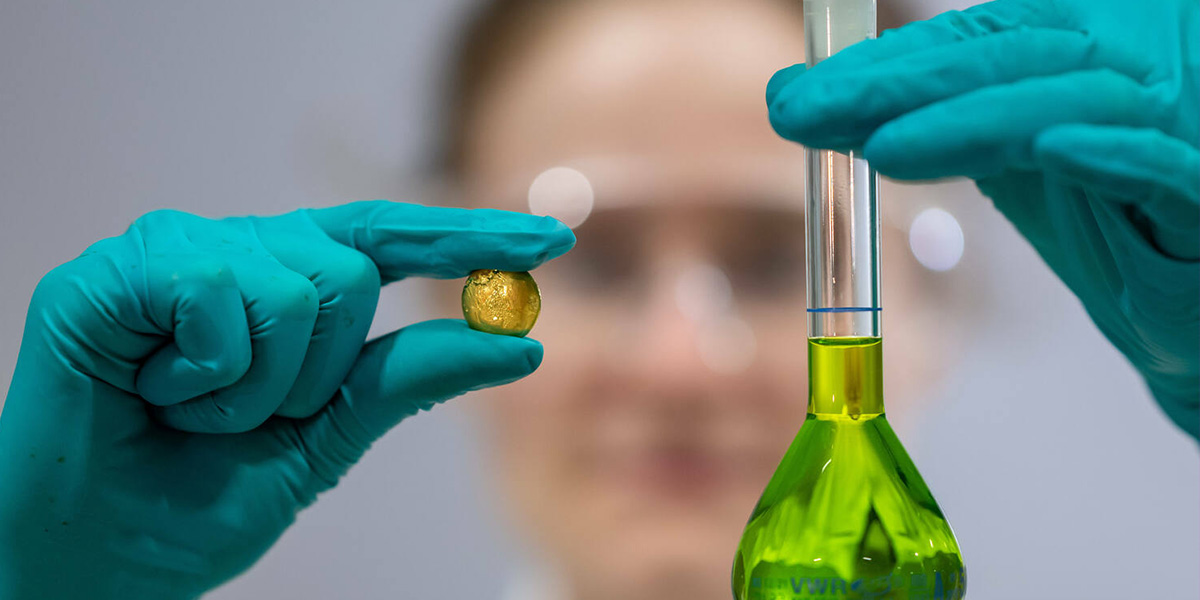
How gold is recycled and why it matters
Gold recycling typically starts with collection and sorting because the first step is to assess the type and purity of the item. From there, the recovery process depends on the processing method involved. Broken jewellery might simply need melting down and refining, while recovering gold from electronic components calls for more specialist methods designed to separate gold from a complicated mixture of other materials.
Once the gold has been recovered, it can be refined to remove impurities and brought back up to a purity level suitable for reuse. At that point, it’s essentially indistinguishable from newly mined gold and it is ready to be used in a completely different form, whether that’s a bullion bar, a new piece of jewellery or something else entirely.
The reason this matters goes beyond simple economics. Gold is a finite resource, and mining new material is a complex, energy-intensive process that comes with real environmental and logistical costs. Recycling makes better use of what’s already been extracted and because of the wide use of gold across industries, there is no shortage of material to work with.
The Royal Mint’s work in recovering gold from printed circuit boards is a good example of utilising scrap items in a more responsible way. This process points towards a more holistic approach to extending the lifecycles of precious metals. As the technology improves, recovery is only likely to become more common as sources of scrap items, especially electronic waste, become ever more abundant.
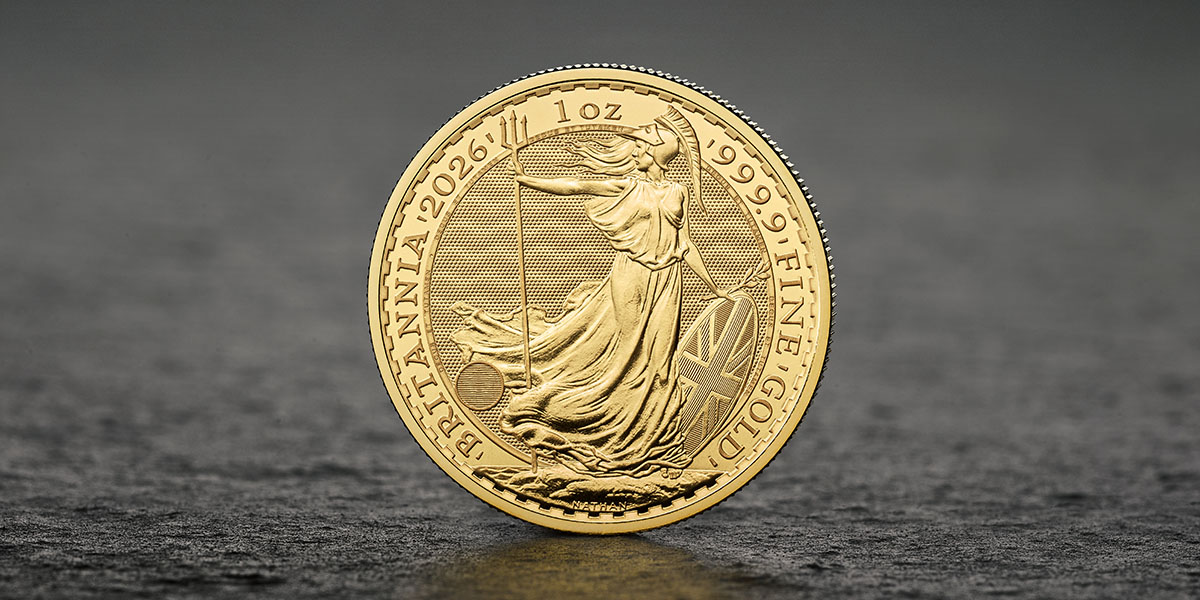
What happens to recycled gold?
Once scrap gold has been recovered and refined, it can be used in essentially the same ways as newly mined gold. Depending on its purity and intended use, it might end up as jewellery, electronic components, industrial materials or precious metal products. Once the refining process is complete, an item composed of scrap gold would be indistinguishable from its newly mined equivalent. This is one of the most remarkable qualities of gold as, unlike many materials, it can be refined and reused indefinitely without losing anything fundamental in the process. Gold recovered from circuit boards today could easily end up as a bullion coin, a piece of jewellery or a new functional component tomorrow. The Royal Mint’s work in this area reflects how traditional minting expertise can sit alongside modern recovery and recycling processes, helping to give existing precious metals a new life.
