Key Facts About Gold
The element and science behind one of the world’s most valuable metals
For thousands of years, cultures across the world have used gold as a currency, crafted it into jewellery and held it as a sense of wealth and status. Even today, that is as true as it ever was, with gold still holding the top position when it comes to precious metals. As well as being prized for its rarity and physical appearance, it also holds a surprising and useful set of physical and chemical properties.
Most people think of gold in terms of coins, jewellery or an investment, but the metal itself is genuinely interesting from a scientific point of view. It is a naturally occurring element, with qualities that make it exceptionally durable and versatile. Because of this, it has a wide range of uses from electronics to aerospace engineering and even medicine. Today, as much as ever, gold plays an important part in the world, beyond just being a precious metal.
This enduring value makes more sense when you begin to explore and understand some of the science which makes this metal precious. Gold doesn’t corrode, it is incredibly dense and conducts electricity better than many other elements. If you combine some of these factors, it is not hard to see why it has been sought-after for as long as humans have known about it.,
What is gold?
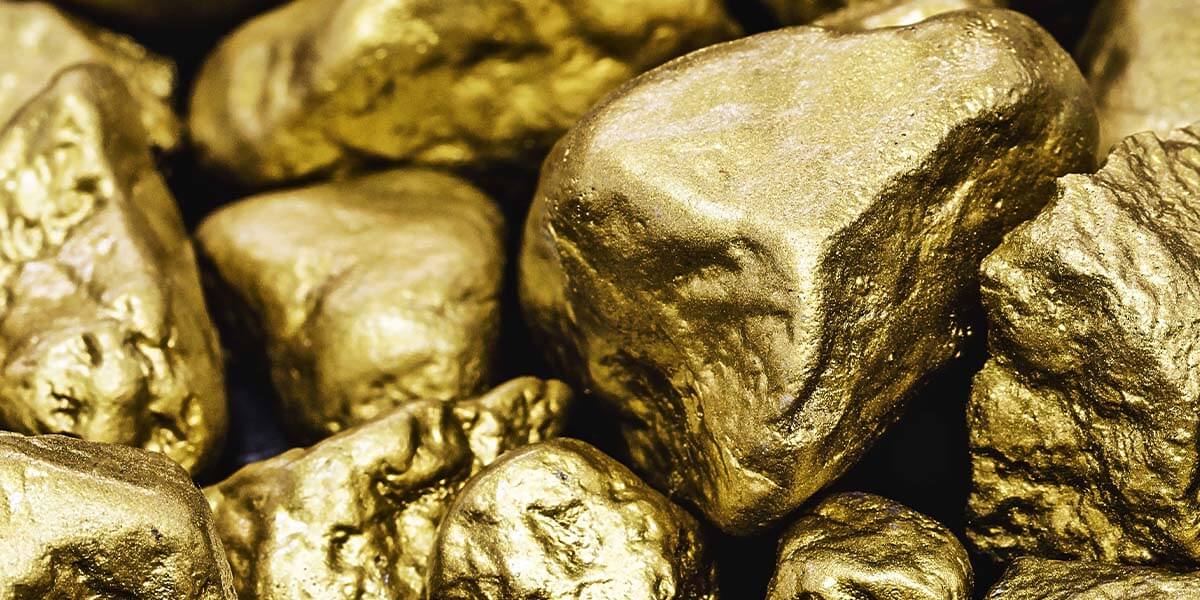
Gold is one of the naturally occurring chemical elements and it appears on the periodic table under the symbol ‘Au’. This name is derived from the Latin word aurum which means ‘shining dawn’. It has the atomic number 79 and sits within the group of elements known as transition metals.
Much like silver, platinum and other precious metals, part of the importance of gold is caused by its rarity. This is because it is typically found underground in deposits and is extracted and refined before being transformed into jewellery, technology and, of course, bullion coins and bars.
One reason why gold has stayed so highly valuable across the centuries is its stability. Unlike most metals, it doesn’t rust or corrode under normal conditions. This means that a piece of gold can hold its appearance and physical properties for hundreds or even thousands of years. This combination of rarity, durability and instant recognisability has contributed to gold becoming one of the most sought-after materials in the world.
Why is gold so unique?
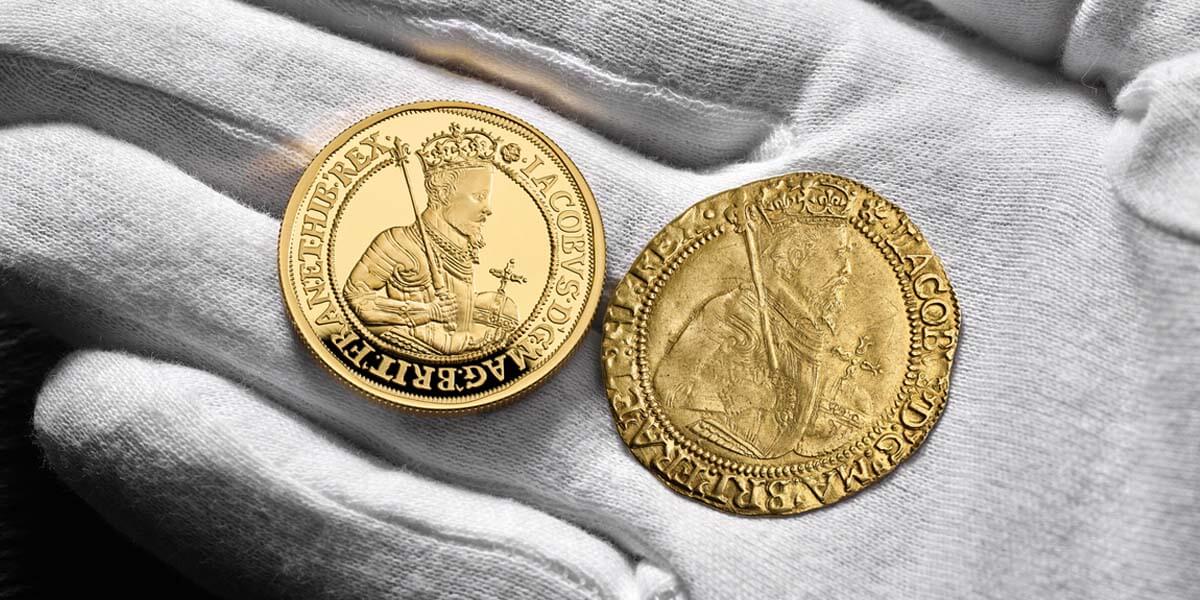
Gold has captured the human imagination for millennia and has some unique properties amongst metals. One of the most basic tests you can do to work out the composition of a metal is to check if it is magnetic. However, if you try this with gold, you will quickly find that gold doesn’t attract a magnet. Gold is also one of the densest metals you will find in nature at 19.3g per cubic centimetre. To put that in perspective, gold is roughly 2.5 times heavier than the same volume of steel, which explains why a gold coin or a gold bar feels so heavy in the palm of your hand.
Another feature is the malleability of gold. Gold can be hammered into sheets called ‘gold leaf’ which are so thin, they are almost transparent. It is also highly ductile meaning that it can be pulled into incredibly fine wires without snapping or breaking.
Some of these unique properties contribute to the prevalence of gold in many industries including electronics, aerospace and manufacturing, all forming part of its enduring appeal as a precious metal and asset.
Can gold tarnish or rust?
One of gold’s most important and valuable characteristics is its resistance to rust and general corrosion. Unlike copper or aluminium, which tarnish quickly when exposed to oxygen, or iron which rusts when exposed to oxygen and moisture, gold will not rust, tarnish or corrode under normal environmental conditions. This is because gold is a relatively inert or unreactive element, meaning it does not easily combine with other elements in the air or water.
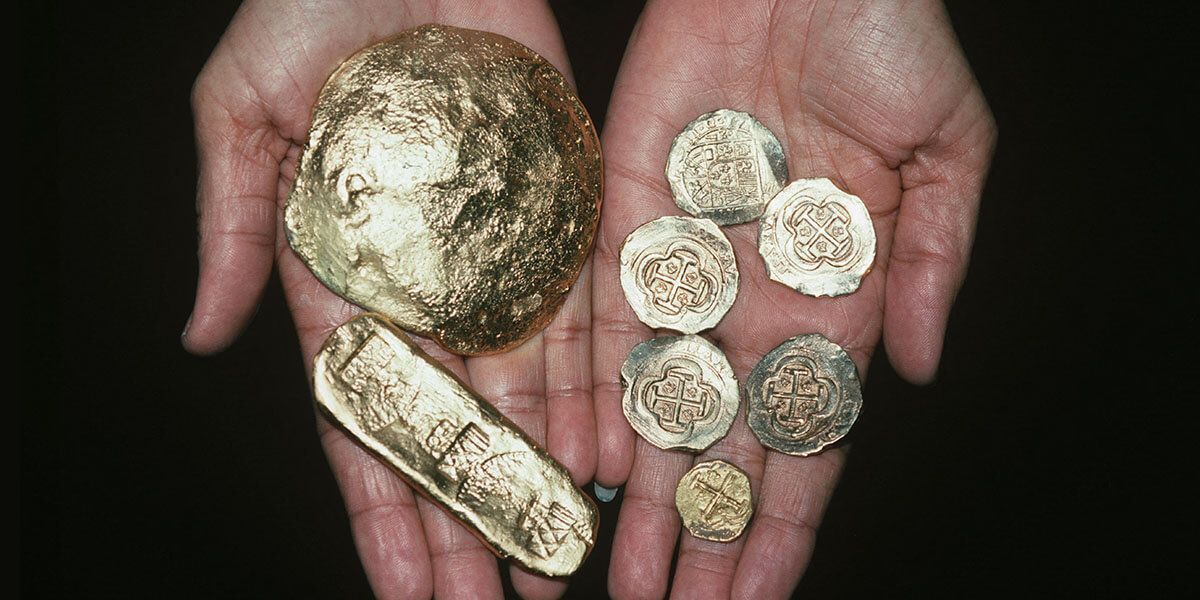
This durability accounts for how gold artefacts recovered from ancient civilisations, shipwrecks and underground burial sites can still appear remarkably well-preserved hundreds or even thousands of years after they were first created.
However, not all gold items are made from pure gold. As you may be aware, gold is available in different carats or purities and in order to lower the carat of gold, additional metals such as silver, copper or nickel are mixed in. In many cases, if you have a piece of gold jewellery or a coin which appears to have tarnished, it is these alloy metals, rather than the gold itself, that are responsible for any visible changes in appearance.
Understanding gold purity
As previously mentioned, not all gold is created equal and different purities are available. Pure gold is beautiful and highly prized but also surprisingly soft and malleable. This makes it impractical for everyday usage as this can cause the item to wear down quickly, and so gold is often mixed with other metals to offer it additional strength and durability.
Gold purity is measured in carats (ct). Pure gold is 24ct, meaning it is 99.9% gold with virtually no other metals or material in the mix. At the other end of the spectrum, 9 carat gold contains just 37.5% gold combined with other metals such as silver, copper or zinc.
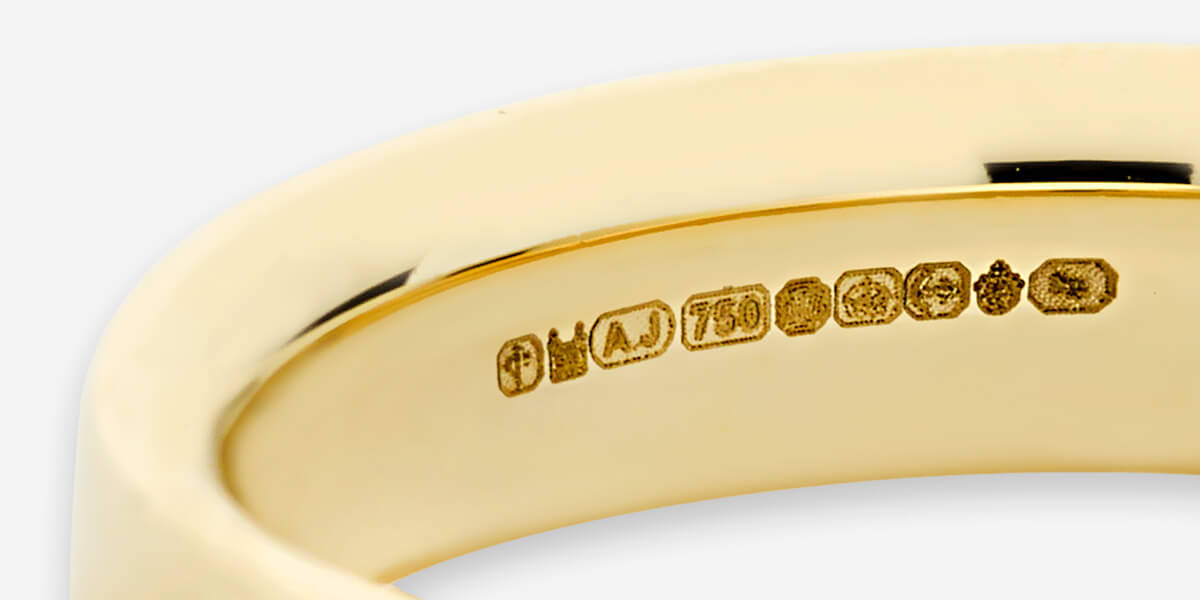
Like other precious metals, many gold items are also marked with a numerical hallmark that also indicates the purity. For example, 750 gold means the item contains 75% pure gold while 9 carat gold is represented with a 375 hallmark to identify the 37.5% gold it contains.
It is worth mentioning that the higher carat doesn’t automatically mean it is better for every purpose. Lower carat golds and alloys are harder and more resistant to everyday wear and won’t damage as easily with everyday use, whereas higher carat gold would be impractical for everyday wearing or handling.

What is gold used for?
Gold is often associated with jewellery and investment but this is only part of the story. Due to the almost unique combination of durability, conductivity and corrosion resistance, gold appears in a wide range of industries and uses.
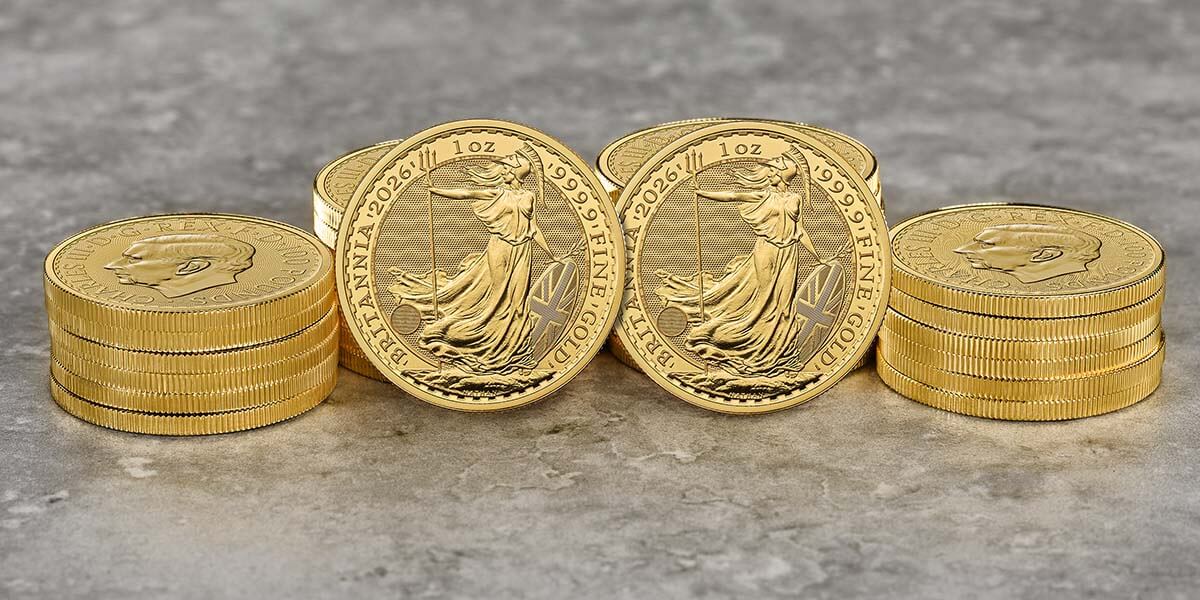
Jewellery is one of the largest uses of gold globally, as its distinctive appearance, rarity and resistance to tarnishing still make it an important choice across a variety of cultures. One of the main uses for gold is, of course, as an investment product. With a variety of gold coins and bars available in an almost endless range of designs and themes, it is by far one of the most popular choices for collectors. The universal appeal of gold makes it an important element in the investment landscape.
Beyond precious metals, gold is used extensively in modern technology. Because of its excellent conductive properties, it appears in modern circuitry in devices from laptops to mobile phones. In addition, you may notice some high-end audio-visual cables have gold plated connections to improve the signal and conductivity. It is easy to forget that gold also has medical uses and is used in everything from equipment and tools to dentistry.
Conclusion
Gold is often associated with jewellery and investment but this is only part of the story. Due to the almost unique combination of durability, conductivity and corrosion resistance, gold appears in a wide range of industries and uses.
With all these important factors to consider, it is easy to see how gold has earned its place as one of the most valuable and recognisable metals in the world. From its position in the periodic table to its use in jewellery, technology and precious metals, gold possesses important and useful characteristics that few other elements can match. Its resistance to corrosion, high density and excellent conductivity have helped ensure and cement a demand for gold across centuries of human history. From ancient artifacts to modern electronics and investments, gold continues to play an important part in everyday life and global industry.
