Branch Mints and The British Empire
Throughout history, coinage has played an important role during periods of conflict, with The Royal Mint's branch mints serving a vital function throughout the British Empire between 1855 and 1932.
Branch Mints were established to use locally mined gold to produce sovereigns and half-sovereigns. Their output helped meet global demand for Britain’s trusted flagship coin while reducing the need to transport raw gold back to London and struck sovereigns to areas of British interest around the globe. Each branch had a distinguishing mint mark, making it easy to identify where a given coin was produced. Below is a photo of a sovereign struck in Sydney, recognisable by the 'S' above the date.
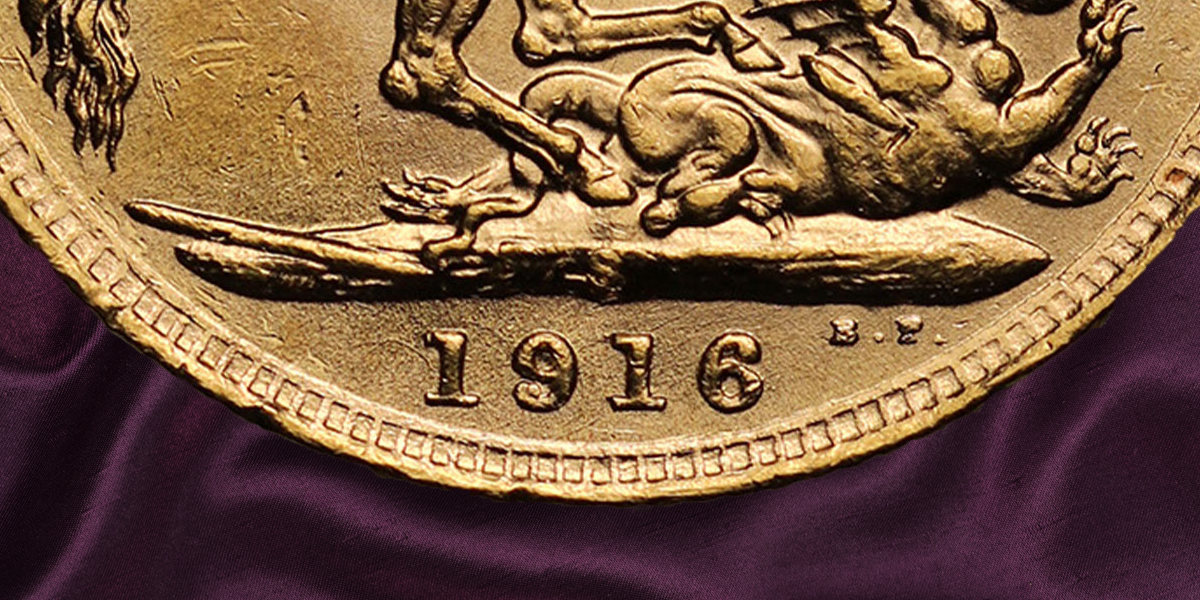
During the First World War, naval disruptions made it difficult to transport South African gold to London. As a result, gold was redirected to India, where the Bombay Mint struck Sovereigns in 1918. Bearing the distinctive "I" mint mark, these coins were produced for just a single year, making them some of the rarest sovereigns produced by a branch mint.
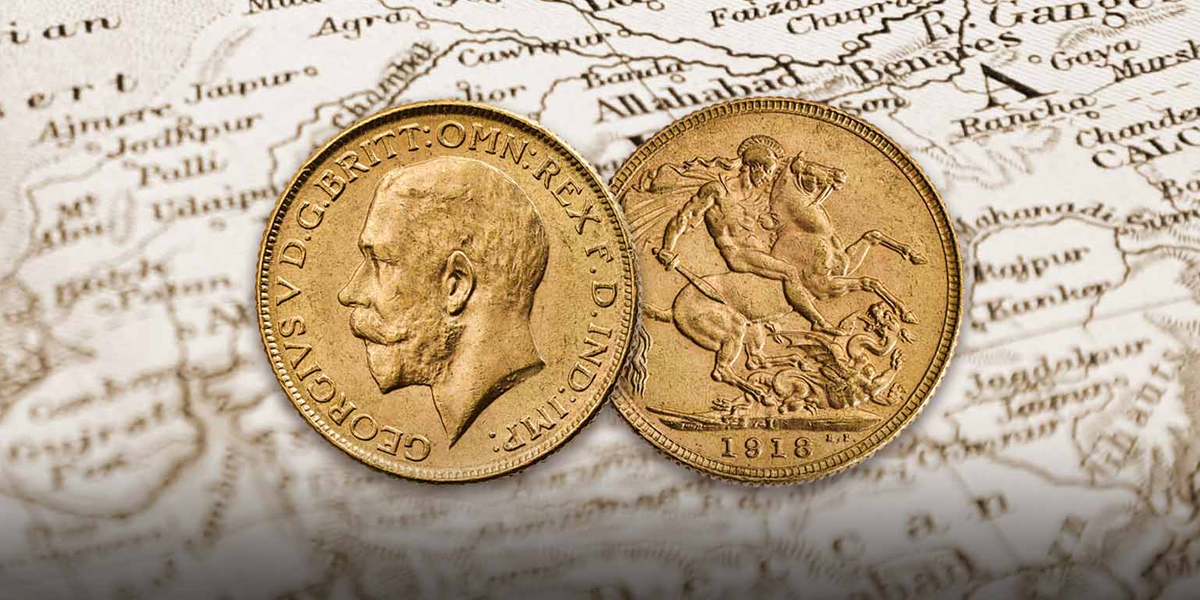
The 1918 Bombay Sovereign is also associated with one of the most famous figures of the First World War. Some examples are believed to have been used by T. E. Lawrence, better known as Lawrence of Arabia, to help finance the Arab Revolt against the Ottoman Empire. This remarkable connection highlights how coinage could become intertwined with major historical events.
Today, branch mint sovereigns offer more than a record of gold coin production across the British Empire. They provide a tangible link to a period when coinage, commerce and conflict were closely connected, demonstrating how The Royal Mint's global network helped support economic stability during one of the most challenging chapters in modern history.
Branch Mint Sovereigns
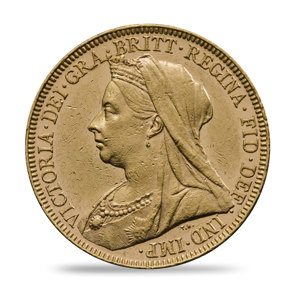
1897 Victoria Sovereign, Melbourne Mint Mark
Fine+ Condition
Price: £1,125.00
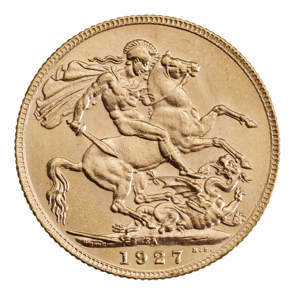
1927 George V Sovereign, South Africa Mint Mark
Extremely Fine Condition
Price: £1,075.00
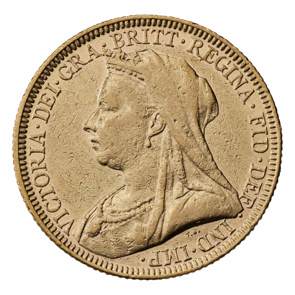
1894 Victoria Sovereign, Melbourne Mint Mark
Fine Plus Condition
Price: £950.00
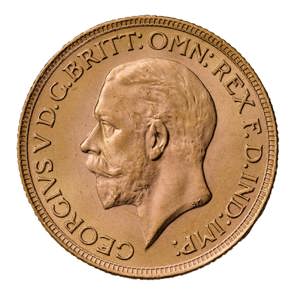
1931 George V Sovereign, South Africa Mint Mark
Extremely Fine Condition
Price: £995.00
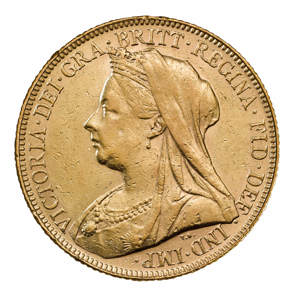
1900 Victoria Sovereign, Perth Mint Mark
Fine+ Condition
Price: £1,100.00
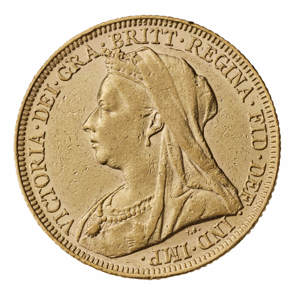
1895 Victoria Sovereign, Melbourne Mint Mark
Fine+ Condition
Price: £950.00
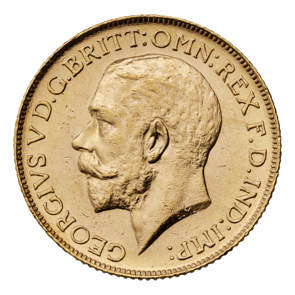
1911 George V Sovereign, Canada Mint Mark
Very Fine Condition
Price: £1,115.00
1918 Melbourne Branch Mint Sovereign
Very Fine Condition
Price: £925.00
