
UK's Circulating Coin Mintage Figures
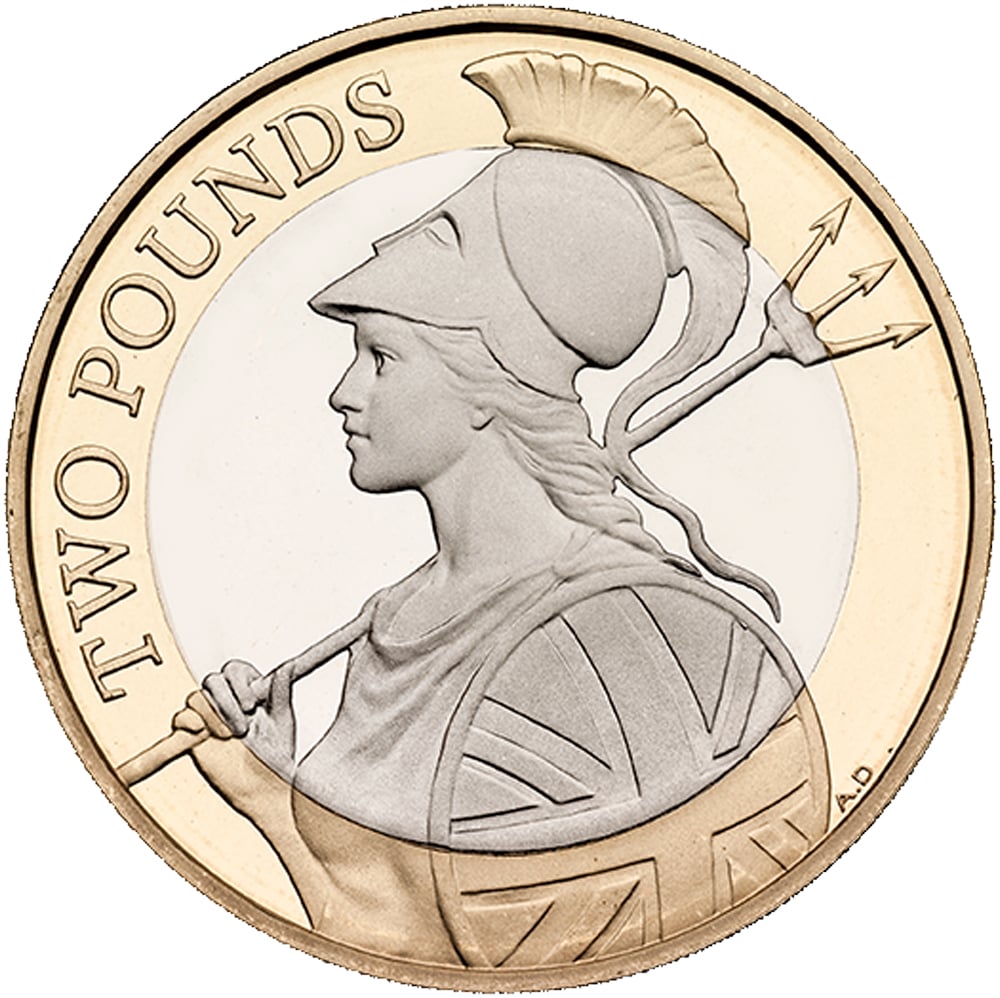
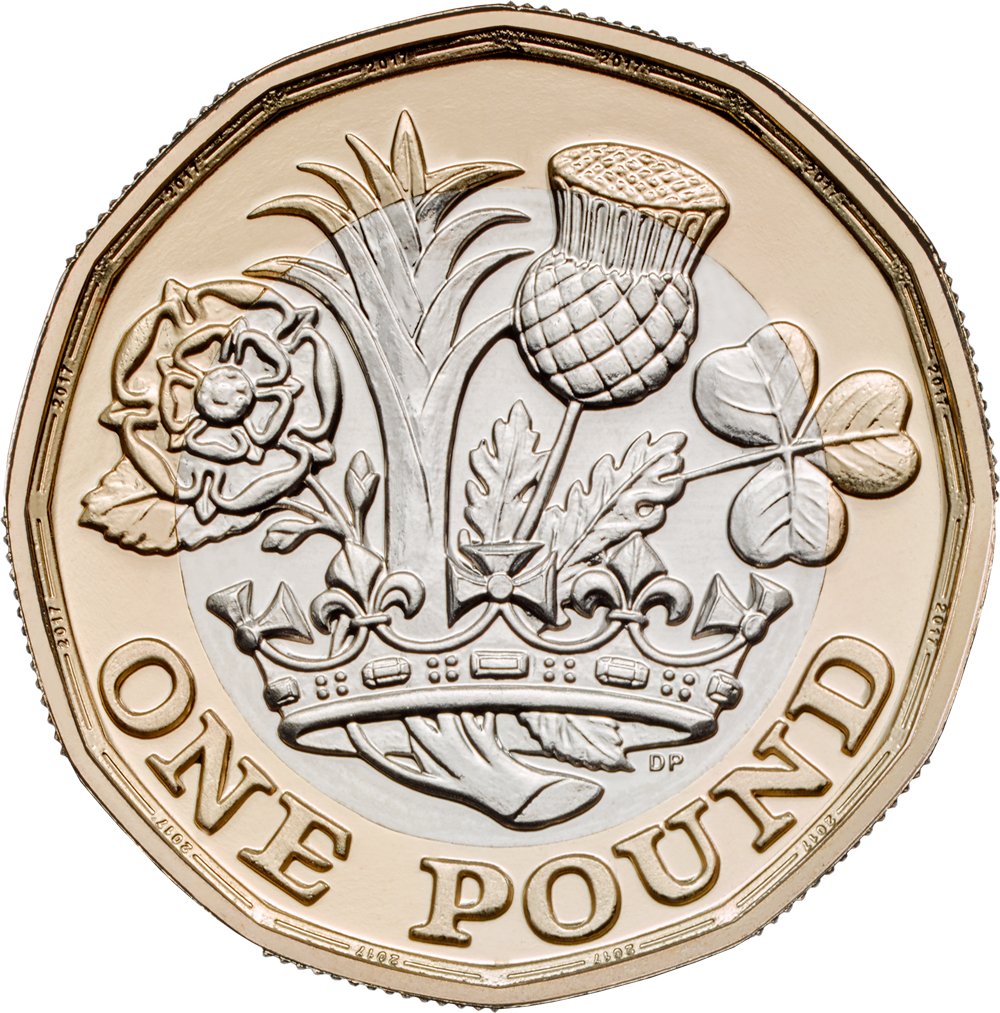
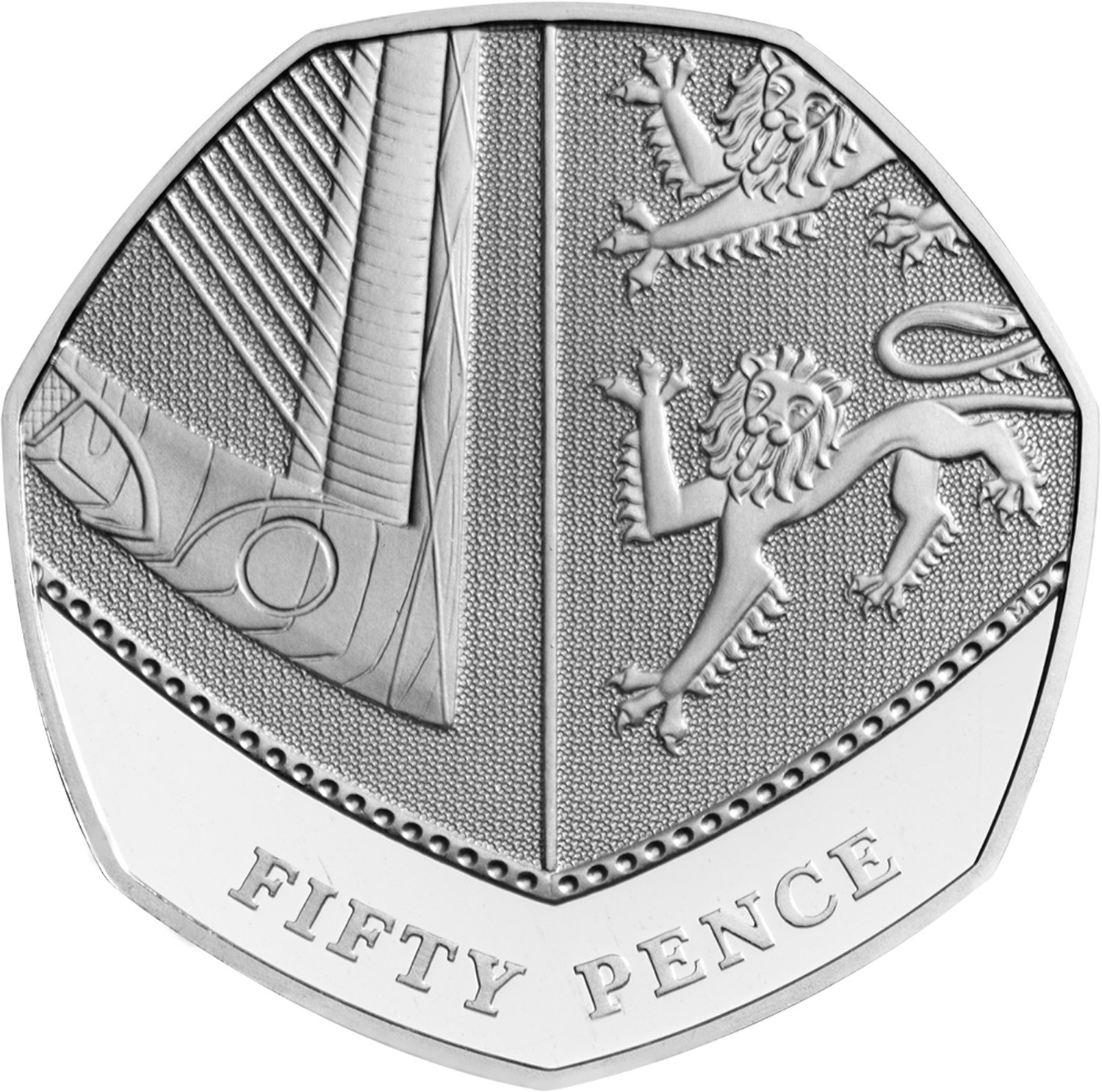
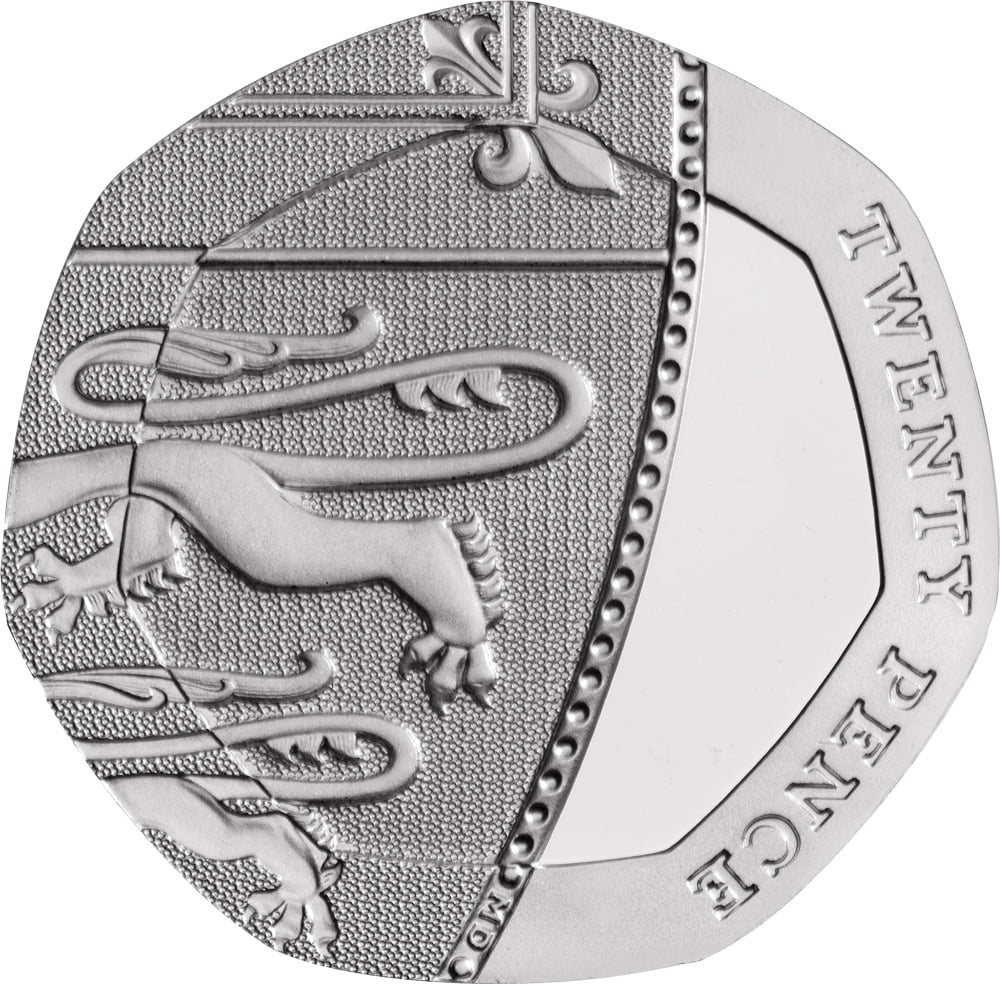
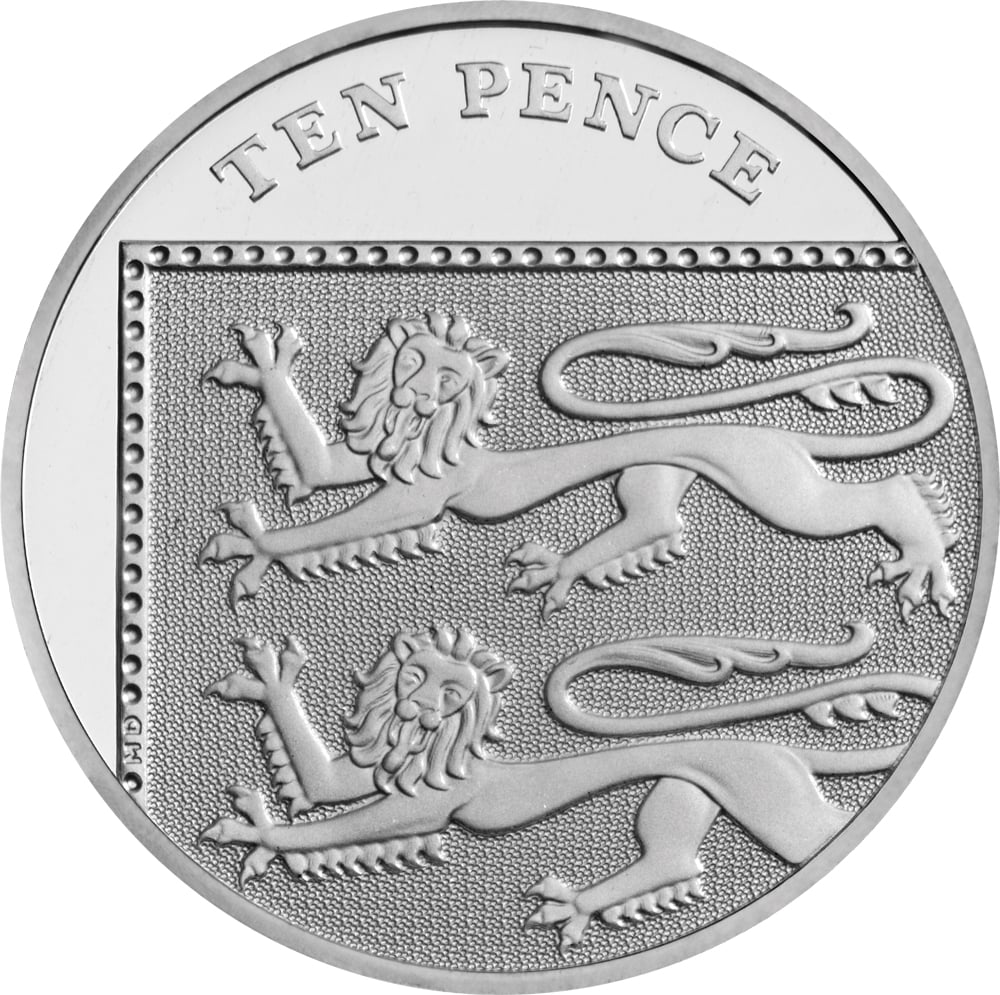
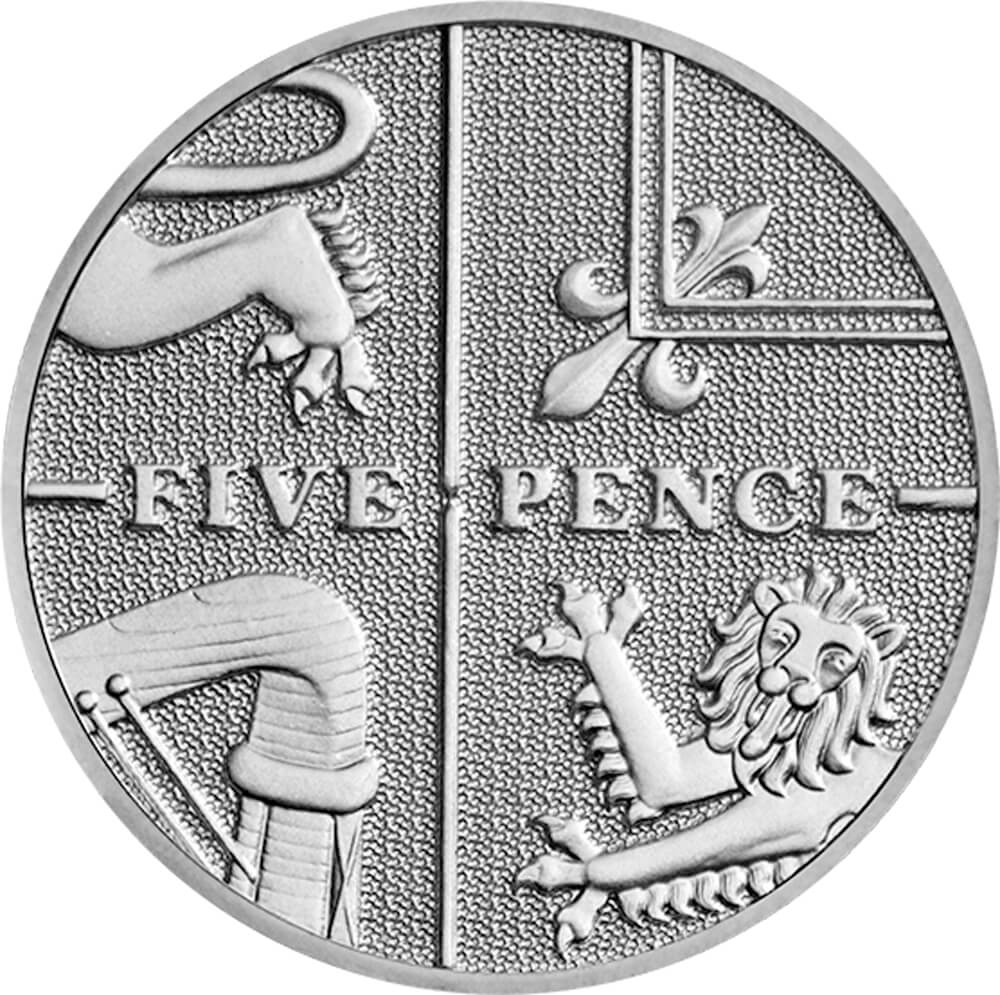
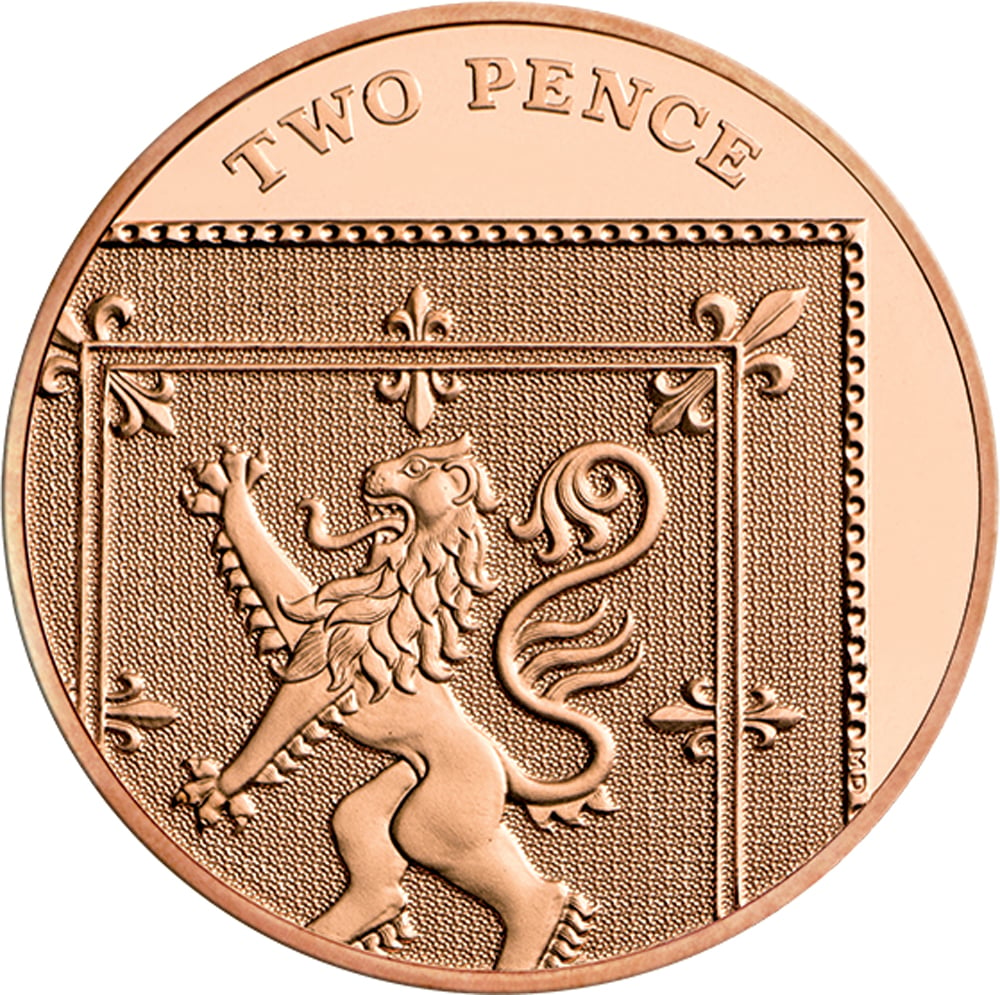
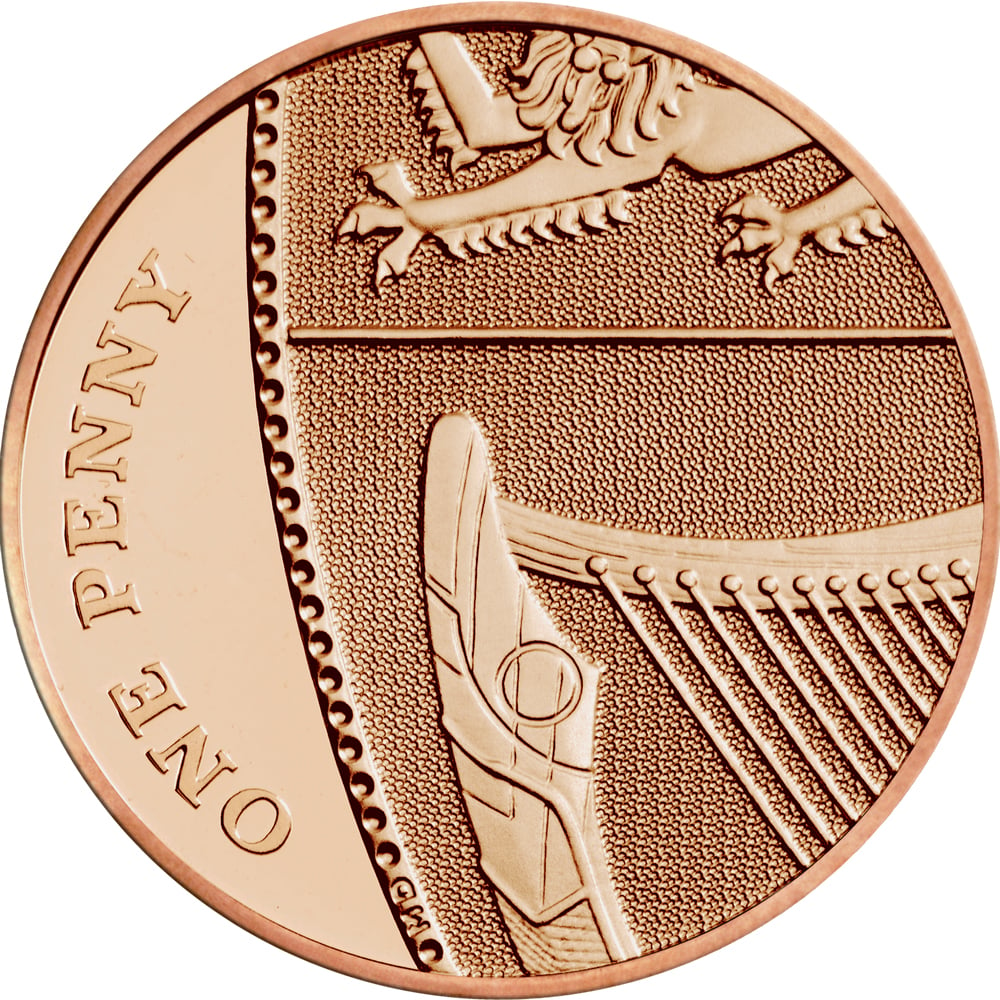
The latest UK’s circulating coin mintage figures include all denominations of circulating coins minted and either released into circulation or requested from HM Treasury and stored at the Royal Mint, ready to go into circulation in the upcoming months.
The actual demand for coins issued into circulation is determined by demand from UK banks and post offices. We then respond by issuing coins on behalf of HM Treasury, who ultimately decide how many new coins are issued into circulation. In the event that more stocks of UK coins are required to meet demand, we would seek approval to produce more.
Currently, there are approximately 27 billion coins in circulation in the UK.
Last Updated: 31st August 2023.